Strobilanthes dyerianus
Persian shield , Strobilanthes dyerianus , is a sensational cosmetic metal money that originates in affectionate , humid Myanmar , where it grows as a tender evergreen plant perennial .
It is a member of the Acanthaceae crime syndicate , which comprise mostly of flowering tropical flora .
With its unique iridescent purple leave , S. dyerianushad no difficultness attract the care of US gardeners , and is now grow here as an annual , repeated , and houseplant .

Photo by Codify, Wikimedia Commons, viaCC BY-SA.
We connect to vendor to aid you find relevant products . If you purchase from one of our connection , we may realise a commission .
In this clause , you will learn all you need to know to cultivate this delicious tropical foliage outdoors inUSDA Hardiness Zones10 to 11 . It may also be rise as an indoor houseplant in all locale .
Here ’s what we ’ll cover :

Photo by Codify, Wikimedia Commons, viaCC BY-SA.
What You’ll Learn
have ’s start with a little background .
Cultivation and History
tropic Iranian shield , aka majestic purple industrial plant , thrives on heat and humidity , grant its most glorious color in hopeful , indirect sunlight and partly shaded locations . It prefers temperatures above 60 ° atomic number 9 .
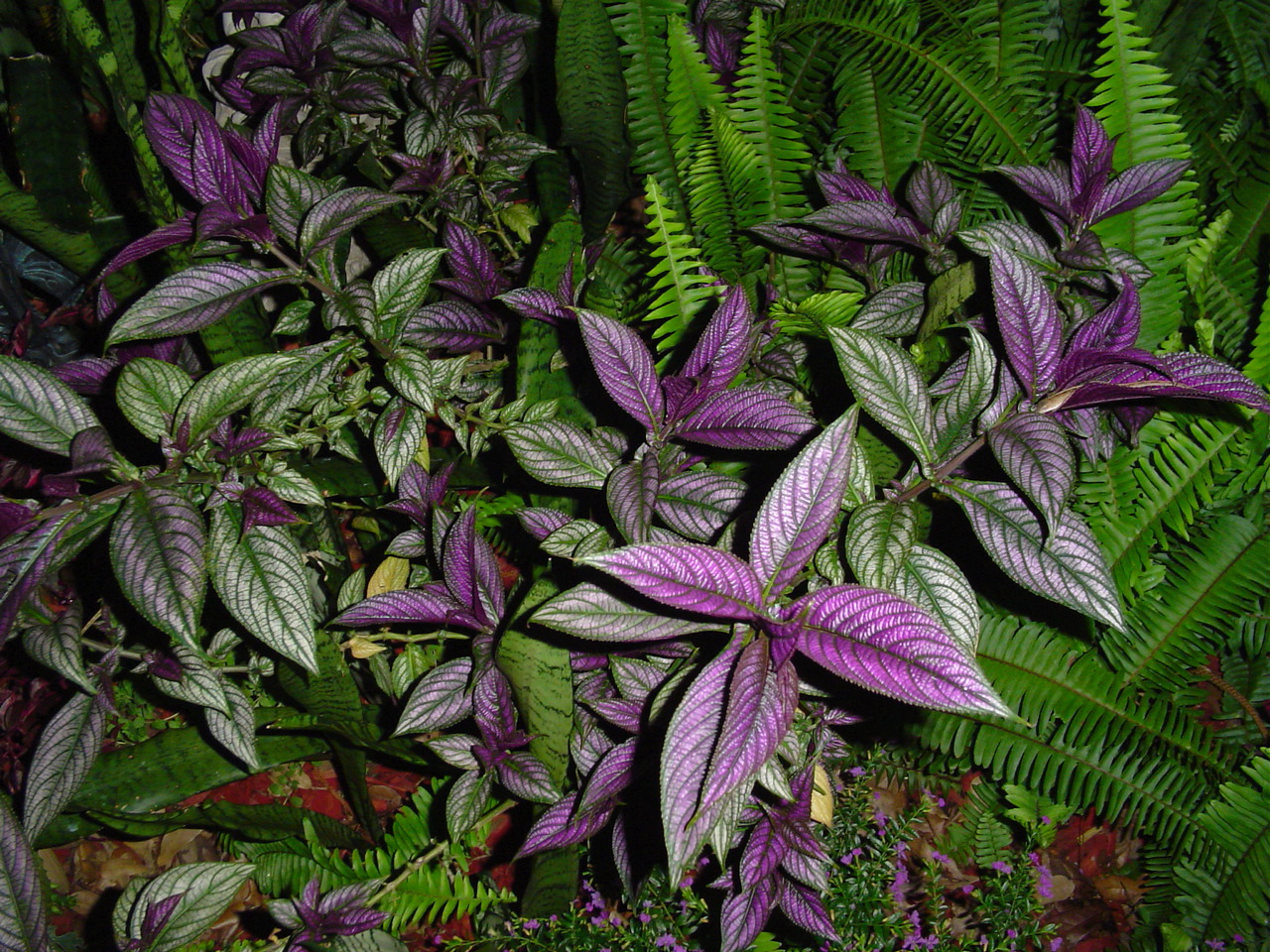
The characteristic broadleaf leaf positively shimmers . Neon shades of purple veined with green seem to be overlaid with a silver glossiness .
The development use is upright with folio that are lance - mold and measure six to eight inch long . stalk are soft and may exceed three foot in height . Over sentence , they may become woody .

belittled , cannular , cone - shapedblue flowers , remindful ofVirginia bluebellsmaybloom in season , but these are a peculiarity . The reason is not all read , but is believed to be an instance of “ masting ” demeanour , in which blossom is sporadic , but profuse when it occurs .
This botanical phenomenon makes it inconceivable for wildlife to depend upon the seeds for solid food , as they are not always available .
In cooler realm , Iranian shieldgrows as a summer one-year , often fail to exhibit its most vibrant color , and dying off with the first frost .

Despite the frequent lack of blooms , the LatinStrobilanthesis an given description because it means coneflower .
The species name , dyerianus , greet the botanist who oversee the Royal Botanic Gardens at Kew at the bend of the last 100 , Sir William Turner Thiselton - Dyer .
S. dyerianuswas undoubtedly introduced to Europe by flora hunters of the epoch , and became part of the famous Kew collection .

From Europe , Persian shell made its path into American Victorian gardens and menage at a time when tropical leaf was enjoying its first North American flush .
Propagation
To growS.dyerianus , you ’ll necessitate to take a soft stem summit curve from a friend ’s plant , or purchase a potted one from a nursery . germ are not pronto available .
Here ’s how to get started .
From a Soft Stem Tip Cutting
To start up with a press cutting from live leaf , slew a length of base , measuring from the growing pourboire down about four or five inches . If blooming has occurred , wait until the last flower drops and a flush of new growth appears .
Be sure to swerve about one - quarter of an column inch above a leaf node , the place where leaves spring up .
take away the bottom pair or yoke of leave of absence to break about three inches of bare , leafless fore .

Place the plain stem in a narrow-minded clear-cut container containing two inches of piddle . Change the weewee daily .
Once roots grow to at least an in long , transplant the cutting to a well - enfeeble vessel make full three - quarters of the way with potting soil , or implant it out in the garden .
Be certain to take fledged dimensions into account when growing in the garden or out-of-door containers . Plants need between one and three feet to spread out , and a soil depth of about 12 inches to support healthy root exploitation .

eat up about one inch of the stock-still stem in the soil , so the crown , where the ascendent and base meet , is buried . Tamp the soil down securely .
Maintain even moisture by watering when the top three to four inch of the territory feel dry . Avoid letting peck dry out completely , but do n’t oversaturate the potting medium .
Nursery Pot Transplanting
For outdoor container gardening , select a well - enfeeble vas with a depth of at least 12 inches . Fill it three - quarters full withorganically - rich potting soil .
For transplant to the garden , form the ground soil to a depth of eight to 12 inches . remedy with compost as needed to bring home the bacon organically - rich terra firma that drains well .
Unpot the works and cautiously detangle the roots if necessary .

Place the capacity of the throne into the ground or container so that it sit down at the same depth it was at in the bay window .
pack the soil firmly over the roots and around the stem , and water well .
keep even wet by irrigate when the top three to four inches of soil feel ironic .

How to Grow
In zone 10 to 11 , you’re able to cultivate your works year - round in the soil or in outdoor container , for evergreen plant foliage .
If you are in Zone 8 or 9 , you may line up that the foliage withers and exit at time of year ’s end , but the roots remain alive and sprouts appear again each spring .
This is especially likely when you utilise a three - inchlayer of mulchover the root zona , as we will discuss in the pruning and sustenance section below .

For those of us in cold zone , like me , this species grows as an yearbook that die back in its entirety , roots and all , and does n’t turn back .
To growS. dyerianusin a container , take an indoor location with smart , indirect sunshine , or an outdoor one with mottled sunlight to part shade .
If the light is too bright , the leaves will appear pallid and may even blacken .

For container horticulture , apply a good tone , organically - ample potting soil and a container with adequate drainage hole and a depth of at least 12 in .
Keep the soil moderately moist by water when the top third of the soil palpate ironical to the touch .
Amoisture metercan serve you to gauge when piddle is needed . Indoor pots may need water more than once a week , so check day by day .

For garden growing , work the ground to a depth of eight to 12 inches .
improve the grease as needed with organically - rich compost or elderly manure to reach a loamy consistency that drains well and has a pH in the kitchen range of 5.5 to 7.5 .
As described above , secure a rooted slip or nursery plant firmly in the soil . sink the press cutting about one inch deep , or set nursery plants at the same depth they were growing in their containers .
Water weekly in the absence seizure of rain , using a wet beat as your guide .
fecundate at planting time and Battle of Midway through the raise time of year , using a liquid flora nutrient reduce to 50 percent .
Growing Tips
The secrets to successful Persian shell cultivation admit :
Pruning and Maintenance
S.dyerianusis a low - maintenance species . If it gets tall-growing , pinch or snip the stems back just above a leafage lymph gland , to promote bushy , compact outgrowth .
In addition , if a plant arrive too hot and/or juiceless , pinch off leaves that have scorch fleck or brown tips , to airt energy toward healthy growth .
likewise , if a stem or leafage breaks , snip it off , as open wound increase vulnerability to pests and pathogen .
If your plants go through a widespread pest infestation , or have sometime woody stems , you may desire to take some unaffected soft stem tip cuttings to circularize raw ones before throw out of the parent plant life .
And finally , to stress to winter over in Zone 8 or 9 for perennial growth , first call up to take a few cuttings during the summer to root in water , in case of failure .
When the foliage give out with the first rime , murder the droop debris and apply a three - inch stratum of mulch over the solution geographical zone .
If you are uprise in a container , you may wrap the entire pile in gunny and place it in a sheltered location until spring .
instead , you’re able to delve up entire plants before the first frost to winter over as houseplants . Read more about farm Iranian cuticle indoors in our guidebook . ( coming soon ! )
Where to Buy
Iranian cuticle is available in glasshouse and online for both indoor and outdoor culture .
With diligent care of a timbre starter plant , you may reach matured dimension of up to three base tall and wide . Container growingis more probable to result in smaller stature than in - primer culture .
Persian Shield
As it mature , you could take easygoing stem cuttings to multiply your investment for continue or reach asgifts to your gardening admirer .
Find a exercise set of three Persian shield starter plantsfrom Home Depotin four - inch pots .
Managing Pests and Disease
Persian shell is not peculiarly prone to pests or disease . However , sometimes there are issuing .
Common culprits include aphids , fungus gnats , and wanderer mites .
Aphidsare sap - suckers that fertilise on foliage . If you pick up them early , a firmspray with the hosemay be all you need to dislodge and destroy them .
More extensive infestations may be treatable with an software of constituent insecticidal neem oil .
Fungus gnat are soilborne flying insectsthat seem to appear as if by magic in overly wet grease , especially in potted plants . A few unenviable ambuscade and a diminution in watering will usually take care of the problem .
Spider mitesare sapsuckers that prey on plants that are too dry . A rinsing with the hose , program of a pyrethrin - turn back insect powder , and even watering usually do the legerdemain to remedy an infestation .
It ’s crucial to maintain plant wellness and avoid plague , as in addition to being menaces themselves , many take diseases that can be transmitted via their mouthpart .
You are not likely to meet any common flora diseases when cultivatingS. dyerianus .
Best Uses
With its vivid silvery - majestic chromaticity , Persian shield makes a bold perennial instruction in warm - region garden .
It also pairs well with specie that have like requisite for mottled sunlight to partial shade , and organically - rich , well - draining loam .
render it in miscellaneous bed that turn back vibrant garden pink and green caladiums andimpatiens .
position it in container with drag lime green sweet potato vine , pinksnapdragon , and silvery greendusty milling machine .
And plant it on the sun - dappled fringes of garden well over withfernsandsnake plants , where their green textures make the purple leaf stand out dramatically .
Indoors , it ’s quite a conversation - piece where the temperature is at least 60 ° F , the Sunday is indirect , and the wet is copious but not overweening .
Quick Reference Growing Guide
Versatile and Vibrant
Iranian shield has exceptional foliation that may be enjoyed in legion mode .
permit it reach full height , so its leggy clumps can sprawl recklessly across a garden bed , providing a gleaming , informal backdrop for foreground specimen .
Or , pinch it back , sacrificing altitude , but achieving a shaggy-haired , compact profile suited to formal borders and well - behaved mixed groupings .
And lastly , if you ’re in a cool mood zone , bring plants indoors for the winter , or keep them inside year - round as well-off - to - run houseplants . Pinch them back as desired to maintain shape .
If you live in the southern part of the United States , you may have the pleasure of seeing the blue blossoms of Iranian shield in your fall or winter garden .
For additional late - blooming flower ideas , confabulate our article onfall annual for the south .
If you found this clause informative and would care to understand more about tame vibrantfoliage plant , we advocate the following :
© Ask the Experts , LLC . ALL RIGHTS RESERVED.See our TOSfor more detail . in the beginning published April 13 , 2019 . Last update October 16 , 2021 . intersection photo via Home Depot . Uncredited picture : Shutterstock .
About
Nan Schiller
