Related
Summary
Squash plantsare a staple in many place gardens , offering abountiful harvestof delicious , nutrient vegetables . But to ensure a healthy andproductive squash craw , you need to know how often to prune squash plants . Pruning is a important practice that make a significant difference in the growth , production , and overall wellness of your squash racquets plant .
Discover the ins and out of mash plant life rationalize to assist you understand why it ’s so beneficial .
Why Pruning is Beneficial
When it fare to growing squash , one might remember that letting the plants sprawl and grow wild is the way to go . However , this approach may lead toseveral issues , such as reduced flow of air , increased susceptibleness to pests and disease , and inefficient use of resources .
Pruning is the operation of selectively removing certain parts of the plant , and it play a critical role in observe the health and productiveness of squelch plant .
Improved Air Circulation
Proper air flow is essential for prevent fungal diseases . When you prune your squash plant , you create outer space between the leaf and stems , allowing air to circulate more freely . This trim the humidity around the plant and belittle the peril ofpowdery mildew , downy mould , and other fungal infection .
Increased Sunlight Exposure
squelch industrial plant have large , lush leaves that sometimes shade other role of the plant . Pruning helps to thin out the foliage , allowing more sunlight to get through the grim leaves and fruit . Increased Lord’s Day exposure promotes photosynthesis , lead in healthier plant and a higher take .
Better Pest Control
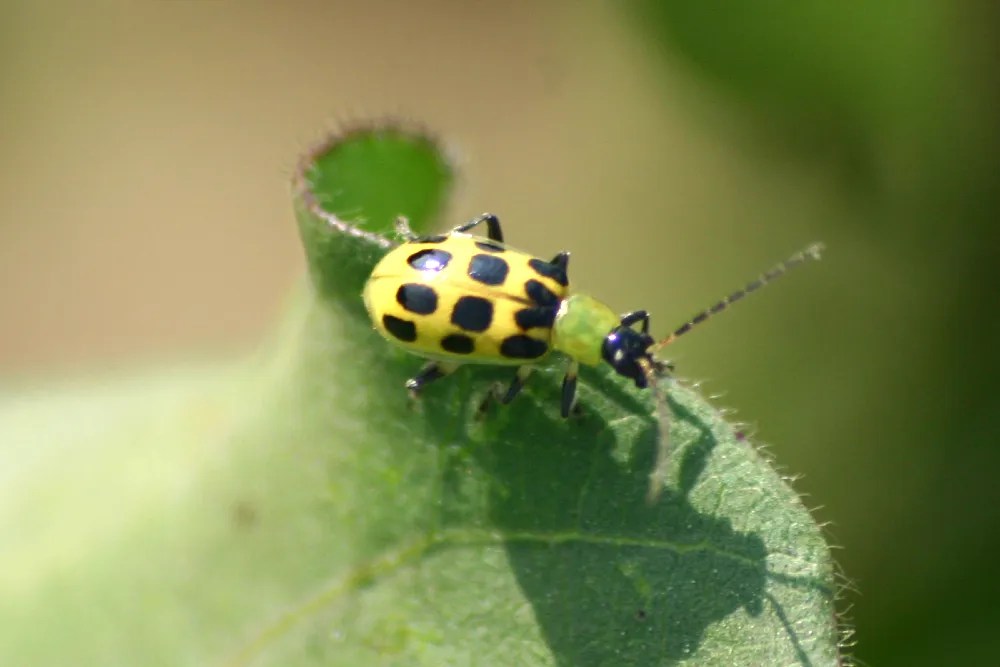
Squash plant life are susceptible to various pests , such as aphids , squash bugs , andcucumber mallet . These insect often hide in the dense leafage of the plant . By regularly pruning your squash plants , you create a less hospitable environment for pests . You ’ll have better visibility of the leaf , have it easy to recognize and remove undesirable visitors .
How Often to Prune Squash Plants
Now that you know the benefits of pruning squash plants , plunge into how often you should do this essential chore .
Early Pruning
In the former stages of emergence , center on pruning out damage or pathological leaves and stems . These serve as submission points for pests and diseases . Do this as needed , specially after periods of heavy rain or high humidity .
Regular Maintenance
Throughout the growing season , do steady maintenance pruning . This involves removing leaves or staunch that are shade off others or are too close to the ground . Aim to prune once every week to maintain proper air flow and sun exposure .
How to Prune Your Squash Plants
Pruning your squash plants is a crucial practice that leads to healthy , more prolific yields . Explore some tips on right squash rackets plant pruning and unveil the secrets to a thriving garden full of toothsome squash varieties .
Wait for the Right Time
The good fourth dimension to lop your squash plants is when they flower their first flowers . This unremarkably occurs a few week after transplanting .
Identify the Stems to Prune
Look for branch that are overly dense , crisscrossing each other , or growing too close to the ground . These are the ones that ask crop . Be cautious not to damage the main stem or healthy farewell .
Prune With Precision
Using sporting and sanitized pruning shears or sharp scissors , snip off the select two or three branches at the theme . Make clean cuts to minimise the risk of disease or pest entry .
Remove Dead or Yellow Leaves
scrutinize your squash racquets plant life for dead or yellowing leaves , as these are unconvincing to recoup . mildly soak them off , which helps amend the plant ’s overall appearance and health .
Monitor New Growth
Avoid slay flowering stems on a squash plant life , as these stems fiddle a pivotal role in fruit production . The flowers , both manful and female , areessential for pollination , see to it a successful crop of delicious squash . Removing them hinders your plant ’s ability to bear fruit .
Dispose of Pruned Material Properly
Dispose of the prune branch and leaves away from your garden to keep potential disease from spreading to tidy plants . Place them in the meth if potential .
Caveats to Pruning Squash
Pruning squeeze plants offers several benefit , but there are also authoritative caveats to consider before you commence nip away .
Don’t Overdo It
While remove excess foliation is beneficial , excessive pruning is detrimental . Avoid stripping the works of too many leave , as this hinders its ability to photosynthesize and produce energy . Aim for a balanced feeler , removing only the leg that are clearly overcrowding or close up flow of air .
Mind the Flowers
Never get rid of the flowering halt of your squash plants . These flowers are essential for pollination and the subsequent establishment of fruits . Removing them reduces your squash vine yield . Instead , focalize your pruning elbow grease on non - all-important foliage and branches .
Hygiene Matters
Always use clean , acute pruning shears or scissors grip to make your cut . Doing so helps forestall the transmission of disease between plants . If you notice signs of disease on a pruned offset , disinfect your prick with ableach root , rubbing inebriant , or milkbefore moving on to the next snub .
Balancing Act
Remember , pruning is a delicate symmetricalness between promoting healthy growth and forestall overgrowth . unendingly assess your squash plants throughout the mature time of year to determine if further pruning is necessary or if you should leave the plant life to fly high naturally .
Squash Your Gardening Goals!
Pruning squash works offers many benefits that ameliorate thehealth and yieldof your squash racquets crop . Whether you ’re a veteran gardener or a novice , understanding how often to prune squash plants is essential for a successful harvest time .
By following the guidelines for when and how often to prune , you ’ll be well on your way to raise the plumpest , juiciest squash in township !