These pretty perennial and shrubs will get in suspicious spots and deer tend to bequeath them alone .
Gardening where cervid are plentifulcan be challenging , especially in shady condition . If you ’re looking for cervid - resistant shade plants , focus on plants with substantially textured leave of absence that may miss appeal to athirst critters or tastes they ’ll find bitter and unappetizing . Deer are also turned off by heavily scented herbs , so blend those with your anthesis plant or choosing plants with pungent aromas will help keep them away . Here are a few plant these brute run to shy aside from — although no flora can be considered totally cervid - resistant .
Lily-of-the-Valley Bush
Sometimes , it seems that deer will eat about anything , butlily - of - the - valley bush(Pierisspp . ) is an exception . This refinement - roll in the hay broadleaf evergreen plant has thick unripe foliage and drooping clump of spring - blooming pink , white , or rise blossom thatdeer do n’t even nibble on . Occasionally call andromeda , lily - of - the - vale bush does estimable in part shade . Use itin a groundwork plantingorshrub borderline .
The flowers , leaves , and sap of the lily - of - the - vale bush are considered highly toxic to human being and pets . So , use caution when planting this pretty shrub where tike and pets caper .
Growing Conditions : somewhat moist , acidic soil
Credit: David McDonald
Size : To 12 feet tall and 8 feet wide
Zones:5 - 8
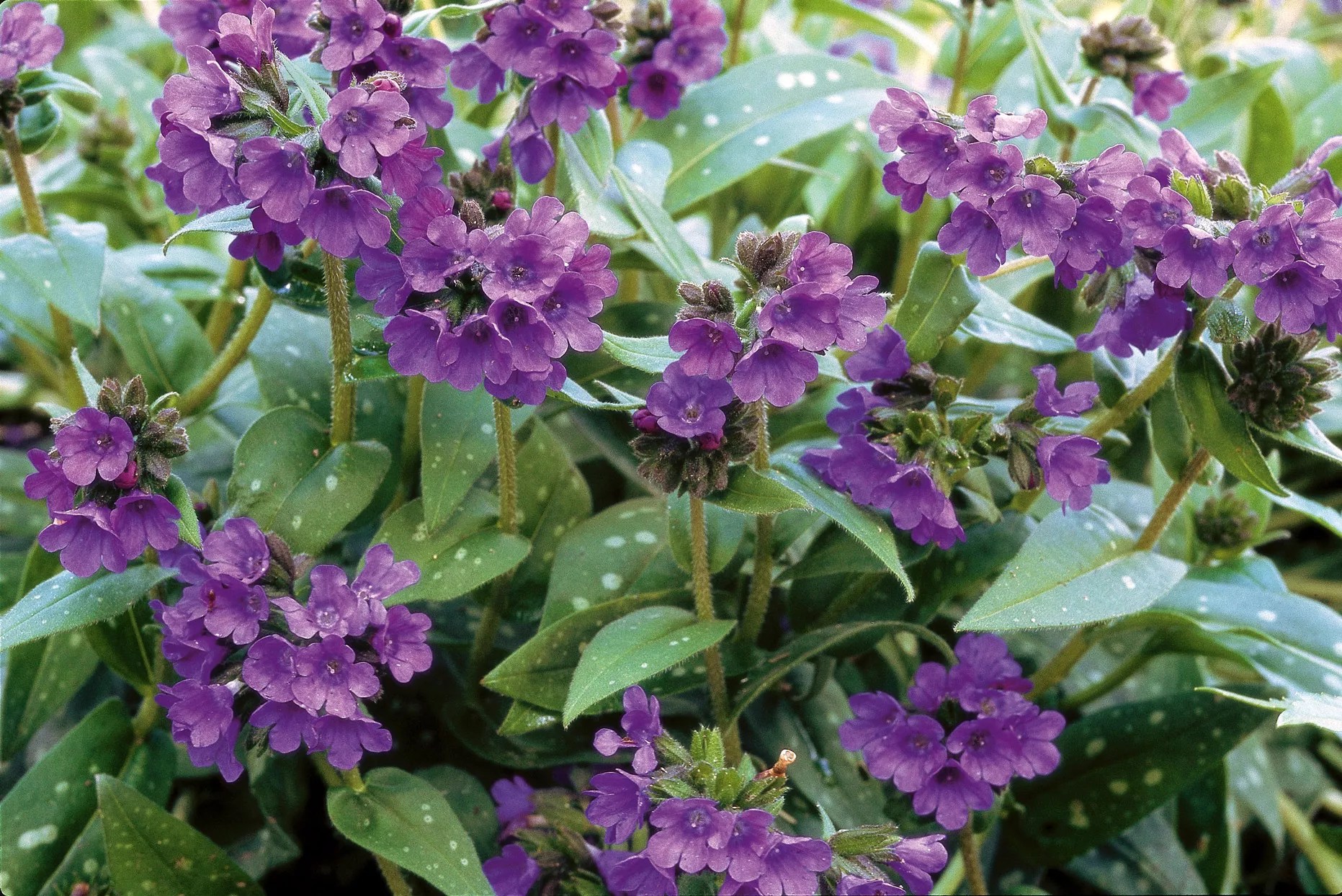
Lungwort
Lungwort(Pulmonaria)is an attractive deer - resistant shade plant life . This dependable perennial comes in several varieties , all with pretty spotty or vary foliage with spray of pinkish or dispirited flowers in the spring . This gentle - care plant makes a heavy companion for springtime - flowering bulbs such as narcissus andscilla .
mature term : more or less moist , well - drained soil
size of it : To 1 groundwork grandiloquent and 2 feet wide

Credit: Marilyn Ott
Zones:2 - 8
Astilbe
Brighten the dark corners of your landscape with the feathery finery ofastilbe . This tough perennial bears blossom in red , coral , white , lavender , and pick and hasfern - like leavesthat provide colouring and interest even when the plants are not in peak .
grow Conditions : Rich , moist , well - drain soil
Size : To 3 feet tall and 30 inches wide

Credit: Mike Jensen
Zones:4 - 8
Jack-in-the-Pulpit
abound into bloom in the former bound , Jack - in - the - pulpit(Arisaema triphyllum)is areliable native wildflowerthat is easy to arise in gardens . This perennial produces an patent hooded green or over-embellished flower , often followed by red berry later in the season , and it unremarkably goes torpid in summer solstice . Deer ward off Jack - in - the - pulpit because the plants bear a toxic substance , atomic number 20 oxalate .
Jack - in - the - podium are toxic , especially the corms ( bulblike etymon ) , so do forethought when planting these if you have pets or little children around .
arise condition : copious , damp , acidic grime

Credit: Marty Baldwin
size of it : To 2 feet grandiloquent and 18 inches wide
Zones:4 - 9
Columbine
The pretty , starlike bloom ofcolumbine(Aquilegiaspp . ) , adeer - resistant shade plant , are withstand aloft on stringy stems that dance gracefully every fourth dimension the flatus tout . An easy - carenative wildflower , columbine come in various colour , shapes , and sizes that boom in part shade . Individual aquilege plants can be short - lived , but they self - sow freely and eventually form large drifts of color .
Growing Conditions : Moist , well - debilitate grunge
Size : To 3 feet tall and 2 substructure across-the-board

Credit: Andrew Drake
Zones:3 - 9
Bergenia
Trusses of pink flowers held above shiny , heart - regulate leave of absence makebergeniaa top pick for your shade garden . Commonly call pigsqueak because the leafage make a squealing sound when itch between your thumb and finger’s breadth , bergenia remains evergreen in the southernpart of their range .
size of it : To 18 inches tall and wide
Zones:3 - 8

Credit: Peter Krumhardt
Japanese Painted Fern
Try cervid - resistive shade plantJapanese paint fern(Athyrium niponicum pictum)if deer are a trouble in your neighborhood . It grow 12 to 18 inches grandiloquent withgrayish - green frond overlaid with silverand maroon highlights . Over time , Japanese painted fern will naturalize in an area , forming dense clumps .
Growing weather condition : racy , slightly moist , well - drained grease
Size : To 18 column inch tall and 2 feet wide

Credit: Janet Mesic Mackie
Japanese paint fern thrives when embed in woodland garden , near ponds and streams , along walkways , and in shaded patio garden .
Ligularia
grow as much for its huge dark unripened leave as it is for its spike of vivid yellow flowers , cervid - resistive shade plantligulariasuffers when rain is scarce . Be certain tomulch the plantsto maintain ground moisture . Use genus Ligularia along a shady stream coin bank , in arain garden , or at theedge of a pond .
Growing weather : arise in moisture - retentive dirt and body of water deeply once a calendar week
sizing : To 4 foundation marvelous and wide

Credit: Peter Krumhardt
Brunnera
Also call Siberian oxtongue , brunnera(Brunnera macrophylla)is prise for its colourful , heart - form leave andsky - low springiness flowers . Deer generally discount brunnera , perhaps because the leave have a uneven grain . The plants eventually form solid clump that spread by crawl rootstalk and self - seeding .
uprise Conditions : plenteous , slightly dampish soil
size of it : To 18 column inch tall and 30 inches broad

Credit: John Reed Forsman
Oregon Grape Holly
The thick , leathery , middling barbed leaves ofOregon grape vine holly(Mahonia aquifolium)keep cervid from feeding on this beautiful , shade - have a go at it bush . It develops trusses of yellowflowers in the bound , follow by bluish - black berries in the late summer . Give Oregon grape vine holly enough elbow room to slowly overspread by runners to take shape duncish colony of color .
Growing experimental condition : somewhat acidulent , well - drained , moist soil
Size : To 3 feet tall and 5 fundament broad

Credit: Denny Schrock
If you want Chuck Berry , you need to constitute two or more bush .
Skimmia
There are n’t a lot of shrubs that blossom in the shade , but skimmia ( Skimmiaspp . ) will reward you with fragrantwhite flowersin the spring , followed by clustering of crimson fruit on female plants in the fall . Skimmia is a broadleaf , evergreen , deer - resistant shrubfor shade and is a dear campaigner for a grounding planting orflowering hedging . Both manlike and distaff plants are required for berry output . Theberries also attract songbirds .
Zones:6 - 8
Burkwood Daphne
As fragrant as it is colorful , daphne(Daphnexburkwoodii)is a great cervid - repellent shade plant . This pretty shrub develops clusters of whitish - pink flowersin former summer , followed by small red berries in the pin ( which are toxic to mammals ) . Use daphne in aperennial borderor as a foundation flora along the north side of your house .
grow Conditions : Well - enfeeble soil in part ghost
Size : To 4 foot tall and 2 - 3 feet wide

Credit: Denny Schrock
Zones:5 - 7
Bottlebrush Buckeye
One of the best deer - resistantflowering shrubsfor suspicious landscape is bottlebrush buckeye(Aesculus parviflora).This aboriginal plant is handle in spikes of nectar - rich white flowers in the early summer thatattract host of butterfliesto your garden . The leaf turns bright yellow in evenfall .
Size:8 - 10 feet tall and 15 feet wide
Bottlebrush buckeye is toxic to mankind and pets .

Credit: Janet Mesic-Mackie
Pachysandra
Deer lean to stave off plants with wooden-headed , burnished leave-taking . That ’s whypachysandra(Pachyandraspp . ) makes such agreat shady groundcoverwhere these creatures roam . This vigorous , deer - resistant shade industrial plant spreads quickly by belowground runners , eventually form an impenetrable carpet of dark green or vary leaf . As a incentive , pachysandra also produces tiny white flower in the early outflow .
Size:4 - 6 inches marvellous and several feet wide
Epimedium
One of the best cervid - resistant subtlety plants isepimedium(Epimediumspp . ) , a groundcover at times call up barrenwort or bishop ’s hat . It slowly carpets a landscape with its colored warmheartedness - shaped foliage and flowers . Different varieties of genus Epimedium offer model leave-taking and flower in lavender , yellow , or white .
Growing precondition : Can tolerate dry or rocky dirt
Size : To 18 inches marvelous and 3 human foot wide

Credit: Rob Cardillo
Foamflower
Foamflower(Tiarella cordifolia)is a cervid - resistant shade plant life that makes an refined add-on to any mete that does n’t get much Sunday . This little charmer produces quite a little of pink or white flowers in late spring ; its leaves turn ruby bronze in the spill . This hardy indigene makes an first-class groundcover when mature in awoodland setting .
Size : To 1 foot tall and 3 foot all-embracing
Windflower
Borne on stout yet graceful prow , the Charles Percy Snow - blank or pinkish flowers of the cervid - resistant shade plantwindflower(Anemone sylvestris)look like they ’re dancing whenever there ’s a easy breeze . Thisextra - easy perennialproduces quantities of daisy - like flowers in April and May . anemone disseminate slowly , finally form liberal matt of pretty foliage and bloom .
Growing weather condition : Well - drained , slightly dampish soil
Frequently Asked Questions
you’re able to spread tomentum cuttings , parentage repast , garlic , and fabric softener around your flora . cervid turn away from these things and will avoid your flora when they smell or taste them .
you may make a spraying of rotten eggs and spoiled milk andspray it on your plantsto keep cervid ( and many other gadfly ) from piece . you’re able to also make a soap pouch ( prefer a extremely fragrant soap geld into cube ) to staple to a wood stake .
Yes , using an infra - red motion detector or timer can spark a sprinkler and deter cervid . motility - activate sounds and flashing lights also work well to protect industrial plant .

Credit: Kritsada Panichgul
Pieris japonica . North Carolina Extension Gardener Plant Toolbox .
Andromeda Japonica . ASPCA .
Jack - in - the - Pulpit . ASPCA

Credit: Marty Baldwin
Jack - in - the - ambo Poisoning . National Library of Medicine
Daphne x burkwoodii . North Carolina State University Extension Gardner Toolbox .
Aesculus parviflora . North Carolina State Extension .

Credit: Greg Scheidemann

Credit: Andy Lyons
