Summary
If you ’re golden enough to have a backyard , composting can be an eco - favorable andrewarding praxis . It not only reduces waste headed for landfills but also offer a nutritious - rich compost that heighten the growth of your potted plants and bed of flowers .
Compostinginvolves turning food scraps , industrial plant material , and biodegradable item into valuable soil that boosts plant health . While many are mindful of composting vegetable scraps and peels , a wide range of materialscan be compostedto attain the stark balance . find out more about some things you may compost and some which you should n’t , as they wo n’t decay and can harm your good deal .
136 Things You Can Compost
To aid you in starting your compost wad and ensuring you make the correct choice , here ’s a comprehensive list of token you could compost .
1. Vegetables
Composting vegetables is a slap-up starting item for create black gold for your garden . Fresh , cooked , glacial , or moldy vegetables — all are suitable for your compost heap . In the United States , 119 billion pounds of food gets ware each year .
alternatively of sending it to landfills , turn it into compost is a much dependable alternative . Consider using asmall repositing binin your kitchen that you’re able to habituate to compost your food scraps . set yourcompost heap near the kitchen doorcan also encourage regular composting , reduce the cause involved in wasteland disposal .
2. Coffee Bags (Made From Burlap Sacks)
Burlap coffee sacks are a great way to reduce waste and help the surround . Burlap is a innate fibre that is compostable , so you’re able to save it from the trash can and use it to mulch your garden or plow your compost spate .
These sack make with child mulch because they are breathable and allow water and aviation to reach the soil . you’re able to even get burlap umber sack for free from major chocolate chain . you could approach major coffee bean chains for loose burlap sacks if you need larger traveling bag ; a sustainable and practical solution to slim down waste !
3. Paper Napkins
Paper napkins are a commodious means to houseclean up after a company , but they can also be uneconomical . If you take recyclable , unbleached paper napkins , you’re able to help slim wasteland and protect the surroundings .
When you ’re shopping for newspaper nappy , look for ones that are judge as " recyclable " and " uncolored . " Unbleached paper is made without Cl , which is a harmful chemical that can contaminate the surround .
you may also find compostable paper table napkin , which are made from stuff that can be broken down by bacteria and other microorganisms . These napkins can be compost in your own backyard or at a local compost installation .

By choosing recyclable , uncolored , or compostable paper nappy , you could help reduce waste and protect the surroundings . So , the next time you ’re project a company , be sure to choose nappy that are good for the major planet .
4. Post-it Notes
trust it or not , post - it note can be compost ! Those neon square , often littering your desk with catty note or to - do inclination , are only suitable for mulching down with other waste matter . The non - toxic mucilage used in Post - it notes will soften down over time , just like average paper , have them a perfect addition to your compost heap . So , the next time you have a cleanup spot , do n’t hesitate to toss those Post - it notes onto the compost pile !
5. Hay
Even if you do n’t subsist on a farm , you ’ll probably encounter hay , specially if you utilize it for animal bedding . The good word is hay can go directly on your compost heap . It ’s basically dried - up grass , and like to grass trim , it ’s safe and beneficial for composting . Hay is even more nourishing - deep since it ’s harvested before seeds fall . Just guarantee you assert the right balance of various constitutional textile in your compost for optimum results . When composting hay , the proportion is 15 to 30 parts hay to one part green material like green leave-taking , kitchen scraps , or grass cutting .
6. Old Spices
In every home , there ’s that closet filled with forgotten cans and tin and some jars of dried - up spices hold fast together . Before you toss them , recognise that these spicery can go straight to your compost heap . Since all spices come from raw source like plants and nuts , they will biodegrade and break down over time . So , go before and acquit out that closet ! Your compost will give thanks you .
7. Pet Hair
Dealing with pet hair can be a challenge , but do n’t just sweep it up and throw it off . or else , consider compost it . best-loved hair is an splendid source of atomic number 7 for your compost heap , classified as a " gullible " compost material alongside leaves and kitchen wasteland .
So , do n’t let that pelt go to wastefulness ! If you do n’t have furry pets of your own , you’re able to always postulate a local detent groomer for some pet hair to enrich your compost pile . bosom this eco - favorable solution to make the most of your pet ’s tomentum and chip in to a hefty compost mental process .
8. Pine Needles
Pine needles are excellent for composting , just like grass press clipping , as they are organic matter . Although they decompose more slowly , they are still a valuable summation to your compost mound . Initially , their acidulent pH storey is between 3.2 and 3.8 , but after composting , pine needles become pH neutral , making them safe for your garden .
An extra benefit is thatpine needle do n’t constrict , allowing air to circulate through your compost heap . This circulation is beneficial for the soil in the long terminus . So , do n’t hesitate to bring pine needle to your compost and draw the rewards of nutrient - rich grease for your garden .
9. Popcorn (Popped or Unpopped)
When you have leftover Zea mays everta kernels or burnt pieces that are n’t suitable for feeding , do n’t thrash about them in the landfill . Instead , consider adding them to your compost heap . Whether unpopped or popped , popcorn can be compost , even if it ’s covered in salinity or butter .
However , be conservative about adding large amounts of added lolly or butter , as they may attract emmet or other pests to your compost pile . With this eco - friendly solution , you may turn popcorn waste into nutrient - rich compost for your garden .
10. Potash Rock
Adding a rock - similar substance , such as potash , to your compost pile may seem particular , but it ’s a time - honored practice for heighten garden dirt .
The name " potassium hydroxide " originates from the sometime terminus for K and the extraction process . Grant Wood ash was soaked in honest-to-god pots to separate the potassium from the mash , chip in advance to the name " skunk - ash . "
Potassium is a essential nutrient for works . It influence the plant ’s water intake , nourishing transportation , enzyme activating , and various metabolic processes , all of which make potash a brilliant addition to your backyard . By incorporate this born fertilizer into your compost or garden soil , you nourish your plants with all-important elements for intelligent growth .

Clover leaves and flowers
11. Dust and Dirt From Behind Your Refrigerator
The dust and grime that accumulates in your home is predominantly organic topic , admit stagnant skin , pet hair , dirt from outside , and even food crumbs and plant matter . So , when you observe a pile of filth and debris behind your fridge or empty your vacuum cleaner , do n’t worry ! Instead , gather it up and maneuver outside to your compost heap . It is perfectly fine to compost these born cloth , contributing to a healthy and more sustainable composting process .
12. Wood Chippings
forest chippingsare a valuable addition to your compost heap , providing extra nutrientslike nitrogen , potassium , and calcium and aiding wet retentivity in flower bed and around bush . If you have leftover wood chippings or lately trim or curve down a tree in your garden , considerusing the woodto create fresh chip and spit them directly into your compost heap . This eco - friendly pattern will not only help reduce waste but also contribute to the overall health and richness of your compost .
13. Bee Droppings
For apiarists or those with acolony of bee in their backyard , bee droppings might be a mutual sight . If you ’re hem in by bees , their droppings are rich in pollen andnitrogen , making them a grotesque contribution to your compost and filth cultivation . bosom this opportunity to rule the naturalbenefits of your bee friendsand raise the wellness of your compost and garden .
14. Leaves
compost leavescan significantly enrich your compost slew , but to maximize their benefits , break them down into smaller pieces . As shortly as leave shine , forgather them from the ground and expend a trimmer or lawnmower to chop them into little fragment . This help fast putrefaction and results in darker , more nutrient - plenteous soil . Be cautious not to include pathological leaves , as they can contaminate your compost .
15. Spent Matches
Wood is a natural material that will readily break down and integrate with the soil over clip . As for the chemicals in the match summit , there ’s no need to occupy . Although the phosphorous on the match lead is a chemical , it occurs by nature and is safe to add together to your soil through composting . Once glow , the match bakshish transforms into carbon , which is also a desirable addition to your compost mint .
16. Hops
Whether you ’re a home brewer or simply have hops spring up in your garden , recognise that hops can be composted . Despite their antibacterial properties , they can still be tote up to your compost batch in pocket-size amount . Just think of to sprinkle them on top rather than adding armful . This eco - favorable practice allows you to put those hop to honest use , put up to the richness and health of your compost and ultimately benefiting your garden .
17. Chicken Manure
Chickenmanure is a deep source of nutrientslike atomic number 7 , phosphorus , and potassiumthat can make your pasture lusher and green when they vagabond around your dependable backyard . When cleaning out their perch area at Nox , you ’ll likely run into large amounts of straw fill with chicken manure . Instead of wasting this worthful resource , contribute it to your compost cumulus . By doing so , you ’ll give your compost a significant boost of vitamins and nutrients , creating nutrient - rich ground that will benefit your garden tremendously .
18. Vegetables Damaged by Freezer Burn
Do n’t let moldy or frozen vegetables dissuade you from compost them . Even if the vegetable are still rooted , it is utterly secure to tally them to your compost passel without thawing them . Freezer tan happens when vegetables are not adequately wrapped , get water molecules to ooze into the vegetable . However , since it is just water , it poses no harm and can be safely thrown onto the compost heap .
Small amount of vegetable mold will not harm your compost heap and can be a natural part of the chemical decomposition reaction cognitive process . mould help break down organic topic and contributes to the overall compost cognitive process .
19. Old, Dried Herbs
If you have a closet full of dried - out and unappetizing herbs that you ’re not going to use , do n’t have them go to waste ! Instead , add them to your compost heap . Even if they may not be desirable for cooking any longer , dry out herbs can still contribute worthful nutrients to your compost . deal them like dry Gunter Wilhelm Grass clippings , and they will add an superfluous layer of goodness to your compost quite a little . Plus , they might even give your compost heap a pleasant aroma .
20. Freezer-Burned Fruit
If your fruit , specially lenient varieties like blackberry and raspberry , has become frozen and uneatable due to its eminent weewee content , thrash it into your compost bin . Fruit that has turned into an chicken feed pulley block in the freezer can be a worthful addition to your compost heap , providing nutrients and organic matter to enrich your garden soil .
21. Bird Droppings From Caged Birds
When changing the lining of your wench ’s cage with newspaper publisher , you’re able to later drift up the used paper and add it directly to your compost . The bird droppings are alimentary - rich , and the newsprint breaks down promptly in the compost process . Even the birdseed that your best-loved drops is worthy for compost .
22. Kitchen Rolls and Paper Towels
Just like paper napkins , kitchen rolls , and paper towel are splendid summation to your compost . Since they are derive from plants , they will break down relatively quickly .
To guarantee the health of your compost , apply uncolored and uncolored report towels made of pure paper , keep off charge plate - coat ones that wo n’t break down . Opt for recycled paper towels or kitchen roll , as they are destitute from affected chemical substance . Even the composition board inner tube-shaped structure can be composted along with the paper towels .
23. Waste From Home Brewing
Instead of letting beer grains and hops terminate up in landfill , they can be put to better utilise in your compost heap . These leftovers are secure to compost , but add them sparingly . calculate for a ratio of about one part caryopsis or hops to three parts carbon material , such as dry out leaves or newspaper . This balanced mix ensures right composting and helps make nutrient - plenteous compost for your garden .
24. Grass Cuttings
Addinggrass clippingsto your compost heap is a time - tested and effectual practice . However , maintain the veracious residual and aeration to secure successful composting . Avoid tot anexcessive amount of pasture clippingscompared to other materials in your compost intermixture . A 2 to 1 proportion with brown materials like dried leaves is ideal . Let thegrass press cutting dry outfor a day or two before adding them to the compost heap . control your compost heap is well aerate to aid the breakdown physical process . Turning over the compost stilt with a fork or shovel every workweek or so can help promote quick and even decomposition .
25. Hoof and Horn Meal
Hoof and horn repast is an excellent and lifelike fertilizer that improves stain structure and encourages strong and healthy theme emergence in works . As an organic and innate product , it leave a sustainable and eco - favorable choice to industrial fertilizers that may contain abrasive chemicals . It ’s also high in N which helps plants produce chlorophyll , promote energy transference , and further overall development .
26. Fish Damaged by Freezer Burn
Pisces the Fishes that has been leave behind in the freezer for too long and lose its taste or has deep-freeze burn can be composted . Instead of bedevil it in the waste bin , reckon sum it to your compost heap without unthaw it . Fish will add nitrogen to your compost piling . However , keep in idea that while your compost loves the food scraps , so do animals . To avoid attract undesirable visitors , use a compost bin or have some sorting of cover over your compost heap . This will help deter beast from raiding your compost and guarantee that the food fight break down of course , contributing to nutrient - full-bodied compost for your garden .
27. Seaweed and Kelp
Seaweed and kelp have numerous benefit for your garden . They are rich reference of nutrients and mineral like Fe , calcium , and potassiumthat cause flora growth , make them excellent additions to your soil . Moreover , seaweed and kelp have no sens cum or other contaminants , ensuring a uncontaminating and good donation to your garden .
They are high in carbohydrates , which assist in works ontogeny , and are free from diseases that could harm land plant life , make them ideal for exercise in your garden . Next fourth dimension you visit the beach , view collecting some seaweed and kelp to boost the wellness and vitality of your garden .
28. Leather Dust or Scraps From Leather Making
If you are a leatherworker or create items like handbag , bag , and wallets from leather , you may have leftover fight and second from the manufacture process . Rather than allow these go to wasteland , you’re able to add them to your compost heap . Keep in mind that leather does erupt down slowly , so sum it in small quantities to the overall compost mixture . By compost leather scrap , you contribute to a more sustainable advance to manage with leftover material and make nutrient - racy compost for your garden .
29. Molasses
Molasses , with its unenviable and sweet grain , has a overplus of health benefits for humans . However , it also prove to be an fantabulous addition to the garden . Molasses is bring forth during the cognitive process of turning sugar cane and boodle beet into refined sugar that you apply in cookery or deep brown . Being a natural product , molasses is dependable to add to a compost mass . However , append it sparingly , as its gratifying nature can appeal flies and other bug . Molasses should n’t exceed more than 4 percent of your intact compost volume .
30. Sugar Beet Waste
Sugar beet waste , which is a by - product of the wampum production process , can be repurposed instead of being discarded or sent to landfill . The dried beet pulp can be transformed into solid food pelletsfor livestock , leave a worthful source of nutrition for animals . you’re able to make scratch beetroot pellets at home , but it ’s a somewhat time - consuming cognitive operation that you’re able to avoid by purchasing quick - made pellet online . Again , it is a innate product , so it can be bring to your compost well .
31. Aquarium Plants
In addition to garden supergrass and leave , resilient aquarium plant can also be compost . These works gain the Pisces by enhancing pee cleanliness and oxygen levels . When these plants die off and postulate alternate , rather than toss out them , add them like a shot to your compost pile in the garden , treat them like other plant trim . This contributes to a more effective composting process . Remove all plastic clippings , charge plate plant , and other charge card accessories before composting live or deadened marine museum plants .
32. Potato Peelings
Potato offcuts and peelingscan indeed spud new plants in your compost good deal , making them a valuable addition to fresh soil for your garden . However , drill carefulness with potato peelings that you stand for to compost . Potato blight , a damaging fungus , is a concern when using shedding in your compost . To foreclose the bed covering of this fungus , see peelings for foretoken of blight before adding them to your compost heap . Signs of tater blight admit sinister bandage on the skin , brownish rot , or a jelly - similar kernel with a rot stench . By being aware of potato blight and taking these safeguard , you’re able to ensure that your compost remains healthy and costless from harmful pathogens .
33. Uncoated Paper
newspaper is a natural product that can be composted . It will break down and generate to compostable stuff , make it an eco - friendly option for your compost heap . While some may have booking about composting bills , the key is to guarantee that the report used is uncoated , mainly white , with only black print . Glossy papers or colored ink may contain toxic heavy metallic element that will contaminate your compost , which will then end up in your garden when you use it to nourish your plant life . Bills and mail print on such composition are safe to compost . Using paper that has already been reprocess is even expert , as it promote sustainable practices and repress the need for raw newspaper publisher yield .
34. Residue and Waste From Cotton Plants
Cotton plants absorb and store nutrients in their stalks , leaf , and seeded player pods as they grow . Traditionally , after picking the cotton , the pods or burrs were go forth on the flora and plowed back into the stain to replenish nutrients for the young raise time of year . However , in some case , these unused parts of the plant were put away . rather of discarding them , you could compost cotton fiber plant waste to reuse worthful nutrientssuch as carbon copy , nitrogen , and sulfur back into the soil , promoting a more sustainable and eco - well-disposed approach to gardening .
35. Weeds
grass , though considered anuisance in the garden , do n’t have to go to waste product when they arepulled from the ground . While you may be concern about adding weeds to your compost pile due to possible seed contamination , a in good order maintained compost heap can in effect deal with this matter . This is becausecompost can get very hot , with temperatures of about 150 level Fahrenheit , which is enough to break down sens seeds . The heating system will keep them from sprouting in your flowerbeds when you habituate the end compost .
36. Fish Meal
Fish meal is an excellent natural fertilizer for garden plants , make it a valuable addition to compost . Its tedious - release formula provide a firm supply of nutrients such as calcium , magnesium , and atomic number 15 , which help tone shrubs , bloom , plants , and skunk . to boot , fish meal give an extra boost to fruit and vegetables , promoting healthy ontogeny .
One of the neat benefit of fish repast is its power to meliorate the universe of the grime ’s good bacteria like Rhizobium , Bacillus , and Paraburkholderia . These beneficial microorganisms play a full of life part in breaking down organic matter and making food more available to industrial plant .
37. Limestone
Limestone , a cushy sedimentary rock , helps balance the pH spirit level of the finished compost , making it closer to a achromatic pH of 7 . This is specially beneficial when the compost contains a portion of acidulous materials , such as pine needles . Limestone is composed of materials like coral and mollusk , and it is wide used in various covering , admit construction and decorative elements in gardens . When added to compost , limestone facilitate neutralize acidity and ameliorate the overall nutrient balance in the filth .
38. Corn on the Cob
Often , people discard the cobs without see their compost potential . While the husk will break down comparatively speedily , the cob may take a bit longer to decompose due to its density . Despite the slower crack-up outgrowth , addingcorn cobsto the compost heap has its benefits . A whole clavus cob can create air pockets in the compost , improve aeration within the heap . This enhanced flow of air facilitates the decomposition process and helps make nourishing - robust compost for your garden . So , the next time youenjoy fresh corn on the cob , do n’t block to toss the husks and cob into the compost bin .
39. Blood Meal
Blood repast is a by-product of the slaughterhouse process and is rich in N , making it an excellent addition to your compost pile . When using line of descent meal in your compost , add the good amount to achieve the desired soil consistence . Since blood meal has a high N subject matter , it can make the soil more acidic .
You should use it in moderation and ensure a balanced mixture in your compost heap . The ideal ratio is four constituent carbon to one part nitrogen . Blood repast should not be blur with osseous tissue meal , which is rich in daystar . Each of these constituent fertilizers has trenchant place and serves different purposes in garden cultivation .
40. Winery Wastes
Winemaking sire various waste products , such as grape stalks , leaves , and sludge made from grapevine seeds and skins after pressing . Instead of disposing of these by - mathematical product through conventional means , you may compost them . Composting grapeshot stalks , leaves , and goo is an splendid manner to reuse these constitutive stuff and wrick them into nutrient - rich compost for your garden .
41. Spanish Moss
Spanish moss , with its fibrous and acidic nature , can be a good accession to compost heaps . However , since it belong to the Ananas comosus kinsfolk , its acidulent properties may affect the pH balance of the grease . To ensure a balanced compost , offset the acidity by comprise alkaline textile like limestone . That said , it takes Spanish moss at least seven to eight months to break down in your compost galvanic pile .
42. Jelly (Gelatin)
Gelatin is indite of animal - derived collagen , which is a full-bodied source of nitrogen . When supply gelatin to the compost pot , it acts as a time - release fertiliser , slowly releasing nitrogen as it breaks down . This alimental - rich share can raise the overall caliber of the compost and advance levelheaded plant growth when the compost is eventually used in the garden . So , the next clip you have leftover unflavored gelatin or pass away packets , consider add together it to your compost galvanic pile rather than toss out it .
43. Powdered or Ground Rock
Rock powder , also known as rock ‘n’ roll detritus or rock’n’roll minerals , is indeed a worthful addition to improve soil health and furnish all important minerals to support plant growth . This finely ground rock material carry a encompassing range of trace mineral like atomic number 14 , aluminum , and iron that are beneficial for works nutrition . One of the key advantage of using rock powder in the ground is its slow - release nature .
As the stone powder bit by bit breaks down over time , it unloose mineral into the territory , make them useable to the plants for an lengthy period . Furthermore , rock powder can enhance the stain ’s grain and water - hold capacity , leading to better filth social system and improve moisture retention .
44. Topsoil
Adding topsoil to your compost pilecan indeed be beneficial for starting and maintain the compost process . Topsoil is teeming with beneficial micro-organism , including bacterium , kingdom Fungi , and other decomposers like archaea and protozoon , that run a important use in breaking down organic matter in the compost pile .
When you introducegarden soilinto the compost lot , you introduce a divers microbic biotic community that accelerates the decomposition of constitutional materials . These microorganism facilitate to break down the constitutive topic into alimental - rich compost , which is of the essence for providing plants with the necessarynutrients for healthy growth .
45. Rabbit Droppings
Rabbit muck , also known as cony manure or bunny berries , are a terrific addition to the compost heap . They are a rich source ofnitrogen , Lucifer , andpotassium , making them a valuablefertilizer for your garden . If you use newspaper or other lifelike bedding textile like shuck or hay in the rabbit hutch , you could pull in the soiled bedding material along with the droppings and add them straightaway to the compost wad .
stave off using bedding materials that bear chemicals or synthetic materials , as these can be harmful to the compost mental process and the final compost .
As with all compost piles , maintain the right balance of immature ( nitrogen - rich ) and brown ( carbon - deep ) materials . hare droppings are study " gullible " compost material due to their high N content , so it ’s a good idea to integrate them with other brown materials like dry out leaves or shredded newspaper to ensure a well - balanced compost pile .

46. Hair Clippings
Human hair , as well as pet hair , is a natural reservoir of nitrogen , which is an all-important nutrient for plant growing . When pilus is added to the compost sight , it will eventually break down through the natural process of micro-organism and contribute to the nutrient content of the compost . However , hair takes longer to decompose equate to other compostable material , so rationalise it into modest piece or shred it to help speed up the procedure . Since hair is look at a green compost material due to its eminent nitrogen message , you should conflate it with browned materials like dried farewell , sliced paper , or wheat to make a well - balance compost muckle .
47. Stale Bread
rather of discarding stale bread for the birds or duck , you’re able to repurpose it to make nutritious - rich compost for your garden . moolah is considered a " green " compost fabric because it contains nitrogen , an essential food for the compost unconscious process . To compost bread effectively , give way it into small man or pluck it up before sum it to the heap .
This will help speed up the decomposition process and see that the dinero mixes well with other compost materials . However , bread can be attractive to animals , but you may prevent undesirable visitors from forage in your compost . tot up the bread and ferment the compost to inhume it deep , making sure it ’s not easily accessible on the top layer . This will help deter animals from being draw to the compost heap .
48. Coffee Grounds
adverse to popular belief , used coffee grounds are nearly pH achromatic , which means they wo n’t importantly affect the sourness of your soil . They ’re a swell generator of nitrogen , an essential food for plant development . When youadd coffee groundsto your compost , they provide a worthful source of organic matter , helping to make nutrient - rich and well - aerated compost .
The grounds also raise the texture of the grease , better drainage and promoting better beginning growth for works . However , when addingcoffee grounds to your compost pile , ensure you do n’t add more than 15 to 20 percentage of your entire pile ’s volume . Too much umber can create an unbalance in the universe of microorganisms creditworthy for decomposing constitutional matter .
49. Wood Ashes
Wood ash tree from fireplace , wood burner , smokers , or bonfires can be a worthful addition to your compost and garden grime . It hold a reach of essential nutrients , include atomic number 19 , calcium , and magnesium , which can benefit your plants . Adding wood ash to your compost pile in small sum can help balance the pH level , making acidulent filth more alkaline . This is peculiarly good for plants that opt neutral or slightly alkalic grime .
Touse forest ash tree in compost , sprinkle it in thin layers throughout the compost peck and mix it exhaustively with other organic material . Wood ash tree should n’t go past more than 5 percent of your entire compost volume .
50. Sawdust
Image credit : Christian Garming from Pixabay
Sawdust can be a valuable increase to your compost and garden territory . Its fine texture allows it to break down comparatively quickly when the right way composted . Since sawdust is mainly composed of carbon , it ’s consider a brown textile in composting . To defend a proper rest of carbon and nitrogen in your compost deal , lend greenish materials alongside sawdust is crucial . Green material , such as vegetable scraps , java earth , or grass clippings , supply the necessary nitrogen to help the composting cognitive operation . ascertain the sawdust you want to compost fare from untreated wood .
51. Tea Bags and Loose Tea Leaves
afternoon tea and tea bag are valuable additions to your compost great deal . They can provide several benefits , like sulfate , atomic number 15 , and Ca , to the composting process and assist improve the quality of your garden dirt . Before composting teabags get out the material they are made from . Many teabags are made from natural materials such as paper , hemp , or other industrial plant - based fibers , which are compostable .
face for teabags label as " compostable " or " biodegradable " to ensure they break down in your compost heap . Remove staple , ticket , or strings that are not compostable before adding the tea bags to your compost slew . Teabags also tend to dry out quickly , so when adding them to your compost heap , see to it they are dampen or add them with other kitchen scrap and garden thriftlessness and eat up into the heap to help oneself retain moisture . This will help them break down expeditiously .
Remember to compost only credit card - loose tea leaf bags

52. Shredded Newspapers
rip up newspaper is a grand addition to your compost heap and can also be used for mulching and improving the soil in your garden . To practice shredded newspaper in your compost , merely ruffle it in with othercompostable materials , such as kitchen scraps , yard waste , and other newspaper publisher products . direct to maintain a proper balance of C and nitrogen materials to secure effective compost . Also , when using shredded paper as mulch , insure to spread it around plant life and avoid compact it tightly to allow for water and melody circulation .
53. Coffee Filters
Coffee filtersmade of composition are indeed compostable and can be added to your garden compost . Since coffee filter are typically discarded while still moist , this moisture contentedness aids in their dislocation operation . Adding them to the middle of the compost pile , where it ’s relatively warmer and more humid , can help keep them damp and promote faster decomposition . Unlike coffee grounds , coffee filter do n’t offer nutrients , but since they ’re made of newspaper , they ’re considered " brown " fabric that you could compost .
54. Egg Shells
Eggshellsare a good source of atomic number 20 and other mineral that benefit your compost . Since eggshells take one to three years to decompose amply , vanquish them into smaller pieces can help speed up the operation . It might also help to rinse out the eggs remainder from the shield before you compost them , as this may attract pests and other animals .
55. Cow Dung
Cow dung can be a valuable add-on to your compost great deal , but it needs to be handled in good order to avoid issues like ammonia burn . While moo-cow dung is a great organic source of nutrient , it has a high ammonia level , which can potentially harm plants if not compost properly . When add fresh moo-cow dung to your compost pile , flux it with a carbon - productive cloth like dry leaf or straw . you’re able to tot up about 10 to 25 percentage fresh cow droppings for your intact compost volume .
56. Alfalfa
Alfalfa is do it for itshigh nutrient content , including nitrogen , daystar , and potassium . When it breaks down in the compost heap , it releases these nutrient , making the compost a nutrient - copious fertiliser for plant . Being a green and N - rich material , it rot quickly and father heat in the compost pile . This high temperature helps to speed the decomposition of other stuff in the pot , speeding up the overall composting process .
57. Winter Rye
Winter rye is a fast - grow plant that continues to grow throughout the year , even in winter . As a cover harvest , it helps protect the grime from corroding and food strip during the cold months . Winter rye , when add to compost , contributes to improving ground grain . It helps create a more well - structured and aerate filth , which is indispensable for tidy industrial plant increase .
58. Grapefruit Rinds
Grapefruit rind are compostable and can be a valuable addition to your compost mound . They ’re rich in atomic number 19 , Ca , magnesium , and P . While it is true that citrus yield like Citrus paradisi are acidic , as long as you use them in moderateness , they can in reality benefit the composting process . To help Citrus paradisi rinds break down more promptly , you’re able to shred them into smaller small-arm or even chop them into small clump before adding them to the compost pile . This will increase their surface sphere , allowing microorganisms to come apart them down more efficiently .
59. Pea Vines
Pea vinesare a bully addition to the compost heap once you have reap the pea . They are rich in organic matter , which will contribute to the overall quality of your compost . Before adding pea vines or other plant material to the compost passel , inspect them for signs of disease , pests , or rot . If you notice white , powdery coating ( which could indicatepowdery mildew ) or blemish that might suggest disease or pest infestation , discard them through municipal green wastefulness appeal or in a way of life that ensures the disease or pest does not broadcast to other plants or your compost .
60. Old, Cooked or Uncooked Pasta
Pasta , whether cooked or uncooked , can be composted . It is a source of organic material that will break down over time in the compost stilt . However , cooked pasta might be more attractive to pests like rodents , raccoons , or birds due to its aroma and softer texture . If you prefer to compost cooked alimentary paste , bury it well within the compost pile , so it ’s not easily approachable to pests . Uncooked alimentary paste is generally less appealing to pests and can be safely composted as long as it is mixed into the compost hatful and not left exposed on top .
The water you used to churn the pasta can be used forwatering your plantsafter it cool down to room temperature .
61. Houseplant Trimmings
greenish plant stuff , whether from garden trim , houseplants , or other plant like bonsai Sir Herbert Beerbohm Tree and shrub , can be contribute to the compost megabucks . As long as the plant cloth is organic and destitute from chemicals or contaminants , it will unwrap down over time and bestow to the compost operation . Chop or shred largerplant trimmingsbefore adding them to the compost batch . This will speed up the vector decomposition process and make it easier for the compost pile to let out down the textile into nutrient - rich compost .
62. Sunday Newspaper Supplements
Sunday newspaper supplements that are printed on bare , uncoated report are compostable and can be shredded and added to the compost heap . As with any paper materials , avoid supply lustrous or coated pages to the compost , as these coatings may hold in chemicals that are not suitable for composting . tear up newspaper add-on before add together them to the compost heap can be beneficial , as it increases the surface area of the theme , set aside it to break down more quickly and efficiently . littler spell of paper will decompose faster , helping to speed up the overall compost process .
63. Harbour Mud or Silt
Mud , silt , and soilfrom old pond can be valuable additions to the compost heap . They are racy in constitutional matter and minerals like iron , atomic number 30 , and Ca , and when mixed with other compostable material , they can lead to the overall alimental content of the compost . bestow mud and silt to the compost batch can provide additional wet to the mix , which can be beneficial , especially in ironic conditions or if the compost pile tends to dry out quickly . wet is of the essence for the compost process , as it helps to create the veracious surround for good microorganisms to break down the organic material efficiently . you may add a 2 - inch layer of mud for every 6 inches of brown and 2 in of unripe layers to construct your compost pile .
64. Peanut Shells
Peanut shells are conceive a carbon copy - rich ( brown ) textile , which helps equilibrize the nitrogen - rich ( green ) materials in the compost heap . To help peanut shell let on down more quickly , crush or break them into smaller pieces before adding them to the compost wad . Peanut shell , like other tough plant fabric , may take some clock time to break down fully , but with regular turning and proper composting practices , they ’ll eventually decay and become a worthful part of the compost . When lend peanut shells to the compost , inspect them for signs of disease , cast , or gadfly . This helps keep the spreading of possible problems to your compost and garden .
65. Olive Pits
Olive pits are tough and can take a long time to discover down fully in the compost . However , their mien can create air pockets in the compost heap , upgrade better aeration and allowing good microorganism to fly high . These microorganisms help break down the other constitutive matter in the compost , quicken up the vector decomposition process overall .
66. Goat Manure
Goat manure is rich in N , atomic number 15 , potassium , and other nutrients like Ca and Mg , which are all important nutrients for plant growth . Adding fresh goatmanure to your compostpile helps make a nutrient - rich compost that will benefit your industrial plant . Since goat manure is by nature teetotal , it is easy to handle and collect than other animal manure type . This can be peculiarly advantageous for composting on a small graduated table .
67. Felt Waste
Felt is a biodegradable material made from natural fiber such as wool or synthetical fibers like acrylic . As a natural material , feel can be composted , and it will eventually go against down in the compost deal . When composting palpate , teardrop , or curve it into smaller piece . Breaking it down into smaller fragment increases the surface area and allows micro-organism in the compost pile to break it down more efficiently . The modest the pieces , the quicker they will decompose
celluloid felt , on the other hand , is n’t eco - well-disposed and is made from non - biodegradable materials which do not decompose . Therefore , do n’t add synthetical felt to your compost pile . If rude matte up is colored using azo dyes , anthraquinone dyes , or triarylmethane dyes , do n’t total it to your compost as they can bleed life-threatening chemicals into the pile . These dyestuff will affect your wellness , particularly if you practice dye - contaminated compost for eatable crop .
68. Wheat Straw
Straw is an excellent materialfor composting , peculiarly when used as fauna bedding . It ’s a carbon copy - fat material , also know as " browns " in composting nomenclature , and supply body structure to the compost agglomerate . As shuck breaks down , it adds worthful organic matter and food like nitrogen , P , and potassium to the compost , make it a good add-on to the soil . Whenadding straw , hack it into smaller opus to speed up decomposition .
69. Peat Moss
While peat moss is compostable , it ’s not eco - friendly . There are manyalternatives to peat moss , including coconut coir , bark , Natalie Wood fiber , and rice hulls , all of which are compostable . Add about 8 column inch of peat moss as your compost ’s brownish layer and top it off with cardboard , shredded newspapers , or teetotal leaves .
70. Tissues
compost tissues is a practical and eco - friendly way to manage their waste . However , be mindful of potential wellness risks when composting tissues , particularly if they have been used to deal infectious materials . Tissues used for wipe clean hands , blow one ’s nose without signs of illness , or cosmopolitan cleaning tasks are generally safe to compost . Tissues used during meek illness , such as a common cold , are typically secure to compost .
The viruses responsible for the rough-cut common cold do not survive for long outside the human body . If you have a severe illness , particularly one triggered by highly contagious pathogens , avoid composting tissues .
confer with with your health care provider if you have incertitude about the safety machine of composting tissues during a specific unwellness . Using compostable tissue paper made from flora - ground materials can make the compost process safe and more efficient .

71. Watermelon Rinds
Watermelonrinds and scraps are compostable , but their thick and rugged skin can take around four to five weeks to break down and break down compared to other compostable cloth . Therefore , cutting the watermelon vine scrap into smaller pieces will facilitate speed up the composting mental process . To balance the compost and assist decomposition , mix watermelon vine fight with dark-brown materials such as dried leaves , shredded composition board , or straw .
72. Bagasse (Leftover From Sugar Canes)
Bagasse is the unchewable material leave over after sugarcane has been crushed to extract the succus for sugar production . It is a byproduct of the sugar manufacture and can be a challenge for large companies to cast out of due to its big volume . Bagasse is compostable and can break down relatively quickly , especially in commercial-grade composting adeptness where the condition are optimized for fast decomposition .
In a home compost bin , bagasse will take a bit longer to give way down since the conditions may not be as idealistic as in commercial adeptness . However , with veritable turning and proper moisture levels , bagasse can still decay within a few calendar month to a yr , depending on the size of the bagasse pieces . Bagasse is a good germ of calcium , phosphorus , and atomic number 19 , leaving you with a nutritive - robust compost for your plants .
73. Onion Skins
Onion hide are rich in nutrients like vitamins A , C , and E and will bestow to the overall quality of your compost . However , Allium cepa skins have a impregnable smell , which might draw in pests and animal , especially when using open compost lashings . If you require to compost onion skins , habituate a compost ABA transit number with a eyelid that you may close toprevent pests from getting in .
If you do n’t have a pass over compost bin , you could bury the Allium cepa cutis deep within the compost pile to aid reduce the olfaction and deter plague . If you ’re vermicomposting ( using earthworms to decompose organic waste ) , do n’t sum up onion tegument , as they can irritate and even kill the worms .
74. Pie Crust
you could compost leftover pie gall , whether they are cooked or uncooked . As with most food flake , keep the compost pile well - balanced and do not overload it with too much of one type of material . If the impertinence is fake and too problematical to break dance down easy , you’re able to break it into smaller pieces to speed up the compost process . Keeping the compost cut through with a lid or using a closed compost bank identification number will help deter pests and rodent from accessing the compost pile .
75. Soya Milk or Beans
Soya milk is industrial plant - based and contains no animal merchandise , which mean it wo n’t give rise the same strong odors as dairy Milk River when it disintegrate . Additionally , soya beans are a lifelike merchandise and will separate down in the compost heap like other vegetable material . When summate soya Milk River or soya beans to the compost , mix them well with other compostable cloth to maintain a balanced compost pile . This will see to it proper vector decomposition and forfend issue with pests or odor .
76. Tree Bark
Tree bark can be a worthful improver to your compost heap , providing both nutrient and grain . Depending on the bark ’s acidity , balance your compost ’s pH level by adding alkali ingredients along with the bark . To speed up the decomposition process , kick downstairs the barque into little pieces before impart it to the compost big money . small particles will transgress down more quickly and expeditiously , contributing to the overall composting cognitive operation .
77. Lobster Shells
Lobster shells can be composted , but they can take anywhere between four and six calendar month to break down whole due to their grueling and durable nature . To speed up the decomposition process , crush or grind the shells into smaller piece before adding them to the compost big money . This will increase the surface area , produce it easy for the microorganisms in the compost to fracture them down . To avoid attracting pests or scavengers , immerse the lobster shells deep within the compost galvanic pile and cover them with other compostable materials to disguise the smell . This will keep the smell hidden and deter fauna from digging into the down .
78. Melted Ice Cream
Melted internal-combustion engine cream can be added to a compost heap , but it should be done in moderation . Ice ointment contains dairy and pelf , both of which can draw in pests and cause odors if added in prominent amount . However , in small amounts , melted shabu ointment can furnish moisture to help in the decomposition process . When adding mellow out methamphetamine hydrochloride cream to the compost , bury it in the center field of the compost megabucks and shuffle it well with other compostable materials . This will aid forbid pests from being attract to the surface of the compost and keep the compost balance .
79. Flower Petals
Flower petals are a wonderful addition to the compost heap . They break down quickly and add a fit of colouring and fragrance to the mix . Besides fictile blossom , leftover petal from a fragrancy , dried petals from craft , or even faded flowers from your garden can all be composted .
That said , toxic peak like oleander and lily of the vale should only be added to hot compost pile . This is because the high temperatures of a hot compost pile remove 90 pct of a bloom ’s toxicity .
80. Pumpkin Seeds
Pumpkin seedsand anatomy are compostable ; append them to your compost spate is a great idea . They ’re moot unripened materials and furnish worthful nutrients like iron , atomic number 20 , and potassium to the compost . They break down relatively quickly , adding wet and nitrogen to the mix . However , break up thepumpkin flesh and seedsinto pocket-sized spell before add them to the compost . This will avail hasten up the decomposition mental process and forestall large clumps from taking longer to break down .
81. Q-tips or Cotton Buds (Not the Plastic Handles)
Cotton budswith cardboard handles are compostable and can be safely added to your compost mickle . The composition board handgrip will break down by nature over time , leaving no harmful residue in the compost . On the other hired man , avoid using cotton bud with plastic handles or other non - compostable materials . charge card - based cotton fiber buds take a significant amount of time to bankrupt down and can be harmful to the environment , especially if they terminate up in watercourse or oceans .
82. Finger and Toenail Clippings
Fingers and toenails are made of keratin , which is a protein that can break down over clock time . While it is dead on target that you could compost nails , they ’re relatively slow to die down compared to other compostable fabric . Nails may stock bacteria , particularly if they have come into contact with dirt or source . see to it that the nails are fresh and barren from heart and soul that may be harmful to your compost or garden .
83. Apple Cores
Apples are naturally biodegradable and can be safely added to a compost heap . Apples , like most fruit and vegetable scraps , will naturally break down in a compost heap . The skin , flesh , and seeds will decay over meter . To speed up the rotting process , chop or slice the orchard apple tree cores into smaller pieces before adding them to the compost heap . Smaller slice will recrudesce down faster .
84. Old Cut Flower Arrangements
Fresh - cut flower are a beautiful gift , but when they start to wither , they can be challenging to discard of . fortuitously , they are compostable , and adding them to your compost heap can be a great way to give them a new purpose . Before compost , remove non - compostable element from the flowers , such as medallion , plastic wrapper , or non - biodegradable tie .
85. BBQ’d Fish Skin
Pisces the Fishes cutis is compostable , but scale can take over a year to give away down due to their hard and long-lived nature . attempt to break the fish skin into smaller bit to increase the surface area endanger to microbial natural action , which can rush up chemical decomposition reaction . When sum Pisces the Fishes scales to your compost heap , bury them under other compost materials to prevent pest from being attracted to the smell .
Fish adds nitrogen , phosphorus , and K to your compost heap . sum up a Pisces to your compost pile is n’t the same as using Pisces photographic emulsion because fish photographic emulsion is only the fluid remains ( oil color and water ) of a processed Pisces . Adding raw Pisces is similar to using a combination of fish meal ( fish , bones , and innards ) and Pisces photographic emulsion ( Pisces the Fishes petroleum and urine content ) for your plant life .
86. Bat Droppings
Bat muck , or guano , are high-pitched in atomic number 7 , phosphorus , and potassium , which are of the essence nutrients for plant growth . When sum to the compost heap , bat guano can heighten the overall alimentary profile of the compost and contribute to healthier soil and plants . Bat guano can sometimes incorporate harmful pathogen , including Histoplasma spores , which can do respiratory emergence in human being if inhaled . wear out protective gear , such as baseball glove and a mask , when plow at-bat guano to avoid health risks .
87. Rapeseed Meal
Rapeseed meal is a by-product of the rapeseed oil yield outgrowth . It is the residue go away after the oil has been extracted from the rapeseed . While rapeseed meal is commonly used as livestock feed due to its high-pitched protein subject matter , it can also be a valuable addition to compost . It ’s fat in N , phosphorus , and atomic number 19 , which are indispensable nutrients for plant growth . When lend to the compost , it leave a balanced mix of nutrients to back the decay of other constitutional material and improve the overall calibre of the compost .
88. Quail Eggs or Other Small Bird Eggs
Quail egg , like chicken eggs , are entirely compostable . The eggshells are a worthful source of atomic number 20 , which is beneficial for the compost pile and can help improve soil natality when the compost is eventually used in the garden . When adding quail eggs to the compost , crack them open first to divulge the eggshell and allow it to fall apart down more efficiently . you may also crush the eggshells into smaller art object to zip up the decomposition process .
89. Dolomite Lime
Lime is an first-class amendmentto use in compost to help balance the pH level of the compost . Composting can sometimes pass to a buildup of acidity , especially when sure fabric like coffee soil , citrous fruit peels , or true pine needles are added to the compost heap . As these fabric decompose , they release acidulous compounds , which can lower the pH of the compost . Adding limeto the compost can aid to neutralize this acidulousness and bring the pH degree nigher to a more neutral compass , which is generally more good for plant growth . you could spread about ½ cup of bitter spar lime on your compost ’s open and mix it in with a shovel .
90. Shredded Cardboard
Cardboard is an eco - friendly fabric that can be easily composted . It is made from natural fibers , typically derived from wood pulp , and does not contain harmful chemicals . Uncoated cardboard is ideal for compost because it break down chop-chop and adds valuable carbon paper to the compost slew . To compost cardboard effectively , shred it into smaller pieces to increase the control surface field . Smaller pieces decompose faster and integrate comfortably with other compost materials .
91. Rhubarb Leaves and Stems
pieplant leaf are not suitable for use due to their high levels of oxalic Zen , which can be toxic to man . However , they can be compost safely and are deal a " light-green " compostable cloth . Avoid composting contribution of rhubarb plants that have been treat with pesticides or chemicals . These subject matter can be harmful to the composting physical process and may pollute the last compost , which you ’ll later practice on your plant .
92. Gardening Gloves (Made of Leather or Recyclable Material)
Mostgardening glovesare made from natural materials like leather , cotton fiber , or rubber , making them biodegradable and compostable . When your sometime horticulture gloves have wear thin out and are no longer functional , instead of throw them away , you may summate them to your compost mass . To compost gardening baseball mitt , cut off them into smaller pieces to speed up the decomposition unconscious process . This allow the gloves to break down more easily , assure they desegregate well with the other compostable material in your stack .
If you ’re unsure about the composition of your gardening baseball mitt , you may just check the packaging they go far in to reassert if they are made from natural stuff . If you do n’t have the packaging , an review will help you distinguish between rubber and plastic gloves . synthetic rubber gloves are thicker and more flexible than plastic gloves .
93. Tobacco
Tobacco is a rude industrial plant material and can be safely added to a compost heap . If you have leftover or stale tobacco , instead of throwing it away , compost it along with other constitutive materials . Tobacco will fall in down over time in the compost heap , but it might dry out out faster than other material . tot up a small water when you add the tobacco to the compost and mixing it in well will help keep the moisture levels and aid in the decay physical process .
94. Dried Jellyfish
Jellyfish , being diffused and sarcoid , will naturally decompose relatively quickly , making them suitable for composting . However , as with most compostable materials , add jellyfish to your compost pile in small quantities since they emit a substantial smell as they decompose . mingle them with soil and total them deep into the compost will aid prevent the odor as they decompose .
Some Portuguese man-of-war are venomous and should n’t be touched or bestow to your compost pile . Do your research before tot up jellyfish to your compost .
95. Wheat Bran
pale yellow bran is a worthful addition to your compost cumulus , and it can avail accelerate the decomposition summons and reduce aroma when used in Bokashi composting . Bokashi composting is a fermentation process that uses a mix of wheat bran and good microbes to break down food scrap and other compostable materials more quick .
Bokashi compost is slenderly dissimilar from traditional composting as it swear on fermentation rather than rotting . It ’s an excellent method for those who want to compost food for thought scraps but do n’t have a enceinte outside compost nap .
96. Guinea Pig Droppings
wop pig droppings , just like hare muck , are a grand addition to the compost heap . ginzo pigs are herbivores , and their dieting consists of grass , hay , and fresh vegetables , which imply their droppings are rich in nutrients like nitrogen and Lucifer that can benefit your compost .
97. Cattail Reeds
Cattails , an edible wild works that grows in North America , can be a valuable addition to your compost pile . The various portion of the industrial plant , such as the leave , stalks , and seed heads , are rich in organic matter , which contributes crucial nutrients like K and atomic number 15 to the compost . Adding cattails to your compost can help equilibrize the carbon - to - nitrogen ratio and enhance the overall character of the compost .
98. Clover
trefoil is a nitrogen - prepare plant , which means it has the ability to convert nitrogen from the air into a form that plant can use , making it anexcellent germ of nitrogenfor your compost . However , it may take a piffling longer to break down compared to some other materials in the compost heap .
This is because it contains more lignin and cellulose , which are compound that take longer to rot . To speed up the composting physical process , chop orshred the cloverinto little pieces before add together it to the compost deal . This allow microorganism to break in it down more efficiently .
99. Leftover Fish Bait
Prepared Pisces the Fishes bait shot , which are ironical and no longer live , are dependable to compost . These pellet normally hold Pisces meal and other organic materials , which can contribute worthful nutrients to the compost . As long as the fish bait shot are no longer unrecorded and are fully dried out , they can be sum up to the compost heap like other constitutive material . Live maggot should never be added to a compost lot , as they can rapidly multiply and conduct to an unpleasant fly plague . Composting live maggots can also disrupt the compost process and create an unhealthful surround for the decomposition of constitutive topic .
100. Granite Dust
Granite is a natural rock that turn back various minerals and nutrients , which can heighten the overall caliber of your compost . Granite dust can improve the compost ’s texture , creating air pockets that aid in the composting unconscious process . However , add granite detritus in easing , as inordinate amounts can castrate the pH of the compost . Granite is slightly alkaline , so adding too much may increase the compost ’s pH level . Most compost piles do good from a electroneutral to slenderly acidic pH chain of mountains , so keep this in judgment when supply granite dust .
101. Cheese
Malva sylvestris , being a dairy mathematical product , can be composted , but it should be added in minor quantities and managed decently to deflect attracting pest and creating odors . Cheese is rich in fats and proteins , which can take longer to break down in a compost pile and may leave to unpleasant look if not compost right .
When supply cheese to your compost , shuffle it thoroughly with other compostable materials , such as vegetable scrap and one thousand waste . This helps distribute the cheese throughout the compost muckle , preventing thumping that could take longer to transgress down . apply a compost binful that has a palpebra you’re able to shut to preclude the odor from attracting plague .
102. Greensand
Greensand is a natural and safe mineral that can importantly enhance your garden grunge and compost . Greensand , also known as glauconite , is a type of marine sedimentary tilt that is rich in atomic number 19 , Fe , and legion shadow minerals . It is mined from ancient sea floor deposit and has been used as a garden plant food for 100 . Adding greensand to your compost can enrich it with essential minerals and enhance the nutrient content of the compost .
103. Burned Oatmeal
Burned oatmeal residue from the bottom of a goat god can be add up to the compost pile . However , be conservative about the amount you impart and consider the dairy content to fend off unpleasant odors . When tally the burn oatmeal remainder to the compost , entomb it under the top layer of other compost materials . This helps to keep it covered and reduces the hazard of attracting pests or get strong odour . If you discover stiff odors developing in the compost pile after adding the burned oatmeal residuum , tote up chocolate-brown cloth to belittle the odour .
104. Dryer Lint
Synthetic lint from your apparel dryer is not suitable for composting due to its celluloid nature and potential fire fortune . However , rude fabric lint and scraps , like cotton , linen paper , or woollen , can be added to the compost heap as they are biodegradable .
105. Crusts From Bread
Sandwich insolence can be a great improver to your compost heap . Like other bread products , they are biodegradable and will break down over time in the compost process . When adding sandwich crusts to your compost , get around them into smaller pieces to facilitate faster decomposition . By compost sandwich crusts , you’re able to contract food for thought waste and contribute to the instauration of nutrient - rich compost for your garden .
106. Urine
Human water is a author of N , which is an essential nutrient for works growth and a key component in compost . The nitrogen in urine can speed the decomposition process and help break down constitutional issue more quickly . Urine is relatively high in nitrogen , and too much atomic number 7 can overwhelm the compost pile , causing an imbalance in the carbon - to - atomic number 7 ratio . To avoid this , dilute theurine with waterbefore adding it to the compost heap . A common good word is to mix one part urine with 10 to 15 role pee .
107. Canned Fruit and Vegetables
Adding the capacity of expired or previous tin yield and vegetables to your compost sight can be a good way to reprocess them and avoid wasting nutrient . However , if the put up fruits or vegetables are in a sugary syrup or salty seawater , gargle them before adding them to the compost . Sugary or piquant substances can draw pests and disrupt the composting process . Rinsing will help repress the risk of attract undesirable brute to your compost heap .
108. Ivory Soap Scraps
Soap is made from natural material and will biodegrade over time . By adding soap scraps(small piece left after shower ) to your compost heap , you may bring to the compost summons while also making use of every bit of the liquid ecstasy . However , before adding the soap scraps to your compost , erupt them into small pieces . small pieces will ruin down faster and more evenly in the compost tidy sum .
After add soap pieces , swallow them deep in your compost pile , but do n’t sprinkle water supply . While small soap sherd wo n’t create a buttery mess , it ’s unspoiled to permit the heat decompose the liquid ecstasy .
109. Dirt from Shoes or Boots
create a fate domain outside the back doorway for cleaning muddy shoes and boots can help keep your nursing home blank and also provide a convenient way to add constitutive fabric to your compost batch . Add a niggling buttocks outside the back threshold and some sort of tub or bucket to charm the clumps . direct your phratry members ( and visitor ! ) to stop outside the threshold and jazz their shoes or kicking off into the bucket . This fresh soil can just be transported flat back down into the compost agglomerate and recycled into your garden .
110. Horse Hair
Horse hair is a natural cloth that can be valuable to your compost heap . It ’s a good source of N , which is an essential element for the vector decomposition physical process and helps to fall apart down other organic materials in the compost . When your horse sheds its hair’s-breadth , collect the clumps of tomentum and keep them in a disjoined container . Once you ’ve compile a safe amount of haircloth , write out or break them down into humble pieces and add them to your compost pile .
111. Cooked Rice
Cooked rice is a possible intellectual nourishment informant foranimals like rodentsand raccoons , so using a compost binful with a secure lid or overlay will aid forestall these animals from getting into the compost . While small quantity of cooked Sir Tim Rice are more often than not fine to add together to compost , forfend adding gravid quantity all at once , as this can produce a more significant food for thought source for pests and become a mucilaginous cluster that disturbs decomposition . If you design on adding cooked rice to your compost pile , you canuse the Elmer Leopold Rice water supply to irrigate your plant .
112. Reptile Cage Lining/Bedding
Shredded sawdust or wood - establish bedding used for reptiles can be composted . Some types of wood bedding , such as true pine , may be more acidic . While modest amounts of acidic material can be beneficial for compost , excessive sourness can affect the compost ’s pH symmetry . To counteract acidulousness , you’re able to add lime tree or other alkaline materials to the compost heap in mitigation . Reptile dung can also be added to the compost pile , as they contain worthful nutrients . However , ensuring the compost reaches high enough temperatures to vote out pathogen is essential . Turn the compost pileat least once a week to increase temperature .
113. Tofu
Tofu , being made from soja , is a great addition to the compost heap . As a natural and plant - ground product , bean curd will break down easily during the composting procedure . To aid tofu break up down more quick , chop it into smaller pieces before adding it to the compost heap .
114. Banana Peel
Banana peelsare rich in nutrients like potassium , Lucifer , and calcium , which can benefit your compost and , eventually , your garden territory . Asbanana Robert Peel come apart down , they provide organic topic that enhance soil structure , moisture retention , and nutrient content . That enounce , they ’re comparatively slow to bust down due to their ruffianly texture . To speed up the composting process , cut or chop the peels into smaller pieces . To prevent pests from being attracted to your compost pile , entomb the banana tree peels under a level of other compostable materials or cover them with grease or leaves .
115. Chocolate Cookies
Cookies are luscious treats that often get devoured quickly , but occasionally there might be a few cold or leftover cookies that take to be discarded . If you have biscuit that have gone defective , composting them is a practiced path to hive off them from the landfill and sprain them into valuable nutrient for your garden .
Break the biscuit into smaller pieces for fast decomposition and address them with other compostable material or bury them in the compost to mask the odor that might pull pests .
116. Wooden Toothpicks
Grant Wood is a natural textile that check cellulose , and when broken down by microorganisms in the compost batch , it conduce to the overall nutrient - rich compost . Remember to break up the toothpicks into smaller pieces to facilitate accelerate the composting process .
117. Moss
Dead or wry mosscollected from your lawn or other area can be compost effectively , and it will eventually split up down and contribute to the nutritious - deep compost . Moss is rich in organic materials and helps add diversity to the compost mix . It demand several years ( two to five ) to break down , but you may zip this up by adding around one part moss to four share of other ingredients .
118. Stale Cereal
Toasted rice , cornflakes , and other unmingled , uncoated cereals can be composted with easiness . Cereals are made from raw grain , and when they are plain without added cabbage or software , they will burst down efficaciously in the compost pile . choose for cereal grass without sum up sugar , artificial smack , or coatings . These additive may attract pest and slow down down the composting process .
119. Pickles
kettle of fish , like otherpreserved vegetables , can be composted , but they may take longer to break down compared to overbold vegetables . The preserve process , which involves pickling in acetum and brine , can slow down the chemical decomposition reaction process . If you have whole muddle , dampen them thoroughlyand cut them into smaller clod before adding them to the compost pile .
fix are often salty due to the brine , so adding some water to the compost pile will help poise the wet content . The compost pile should be moist but not too wet . Avoid add orotund quantities at once , especially if they are heavily preserved or check excessive salt . This is because large amounts of piquant or acid material may interrupt the composting summons .
There are two master reason why high salt content disrupt your compost . first off , high amounts of salt negatively dissemble the maturation and productivity of earthworms in your compost pile . second , if compost with gamy salt content is used in gardens or flora bottom , it can contribute to soil salinity , harming plant roots and affecting their power to absorb water and nutrients .

120. Peanut Butter Sandwiches
Peanut butter sandwiches can be composted , but the goober pea butter may take longer to dampen down compared to other food fight due to its high - fatness mental object . However , with the right composting practices , it will eventually moulder in the compost cumulation . To speed up up the decomposition reaction process , tear or tailor the goober pea butter sandwich into small piece before adding it to the compost pile . If you ’re interested about draw in blighter , cover the compost pile with a chapeau to keep animals away from leftover sandwich .
121. Dead Bees and Flies
Dead worm like bees and flies can be sum to a compost lot , but ensure they are totally deadened before doing so ! Adding alive insects or eggs to the compost heap can conduct to upbringing and possible pest problems afterwards on . If you ’re concerned about pests , consider using a get across compost bin to prevent fauna from accessing the compost hatful and contaminating the worm remains .
you may feast dead insect to carnivorous plant as a seed of nutrients for their ontogenesis and development .
122. Snow
Snowfall on a compost pile is generally not a drive for concern , especially in colder clime . blow can actually have some positive impression on the composting process . It move as a natural insulator , helping tokeep the compost pile from freezingtoo deeply during freezing temperatures . It also acts as a barrier to deter pests and animals from rummage through the compost pile during wintertime when food rootage are scarce . However , if the snow cover becomes extremely punishing , it may compress the compost pile , limiting airflow .
In this case , gently take out some of the snow from the top of the slew to observe proper aeration . If your compost pile is already too wet before the snow , the additional moisture from melting C could top to anoverly soggy compost , which is not ideal for decomposition . In such character , assure your compost pile has good drain or apply a covered compost bin to protect it from redundant precipitation .
123. Greetings Card Envelopes
Much like uncoated paper , tear up newspapers , and tissues , greet card , especially those made from recycled paper , can be compost to subdue waste and enrich your compost heap . Avoid compost salutation cards with glossy , laminated , or metallic finishes .
These coat and constituent will not founder down in the compost and can take a long time to degrade , potentially pollute the grime . Remove non - compostable element before tally the card to your compost agglomerate . As common , to speed up the composting process , view shredding the salutation cards and envelopes into smaller small-arm .
124. Wedding Bouquets and Buttonholes
bouquet and buttonhole , also known as boutonniere , are typically made with fresh bloom and Green River that are meant to be enjoy for a short fourth dimension , especially during particular effect like weddings . Once the event is over and the button hole have serve their purpose , they can be composted to return nutrient to the stain . Before adding button hole to the compost heap , remove non - compostable factor like florist ’s telegram , pins , ribbons , or other decorations . These cloth do not erupt down and can be harmful to the environment if left in the compost .
125. Old Beer
Stale orleftover beercan be a good addition to your compost heap . The barm and other organic compounds in beer cater a nitrogen boost , which avail to step on it up the compost process and break down the organic material more expeditiously . While moth-eaten beer can be good for composting , use it in moderation . Excess liquidness in the compost mess can lead to an to a fault wet and smelly compost , so add beer sparingly .
126. Liquid From Cans of Fruit or Vegetables
The liquid from canned fruits or vegetables can contain worthful food that have percolate out during the canning process . Instead of letting it go to wastefulness , you could use this liquidness to benefit your compost heap . As with most liquids bestow to the compost , do n’t overdo it . rain buckets the canned yield or vegetable liquidness in moderation to debar making the compost pile too wet , which can lead to odors and slow down the compost summons . Be mindful of the liquid state ’s content .
If the canned fruits or vegetable were preserved in brine or syrup with add clams , do n’t pour them onto the compost batch , as excessive salt or cabbage can be harmful to the compost process and may attract pest .
127. Pencil Shavings
Pencil shavings , being small pieces of wood , are biodegradable and safe to compost . They can be added to your compost pile just like other untreated wood fabric . If you ’re compost pencil shavings , ensure they come from untreated , born wood pencils . Some pencils may be treat with chemical or have pencil lead in their piece , which is not suited for compost .
128. Woolen Socks
It is leisurely to block wool is a natural mathematical product as you ’re used to seeing it everywhere . But if your socks have seen better days and are beyond darning , you’re able to flip them into the compost – as long as they are pure wool . semisynthetic or blended materials may not break down as well and can introduce non - biodegradable elements to your compost . To bucket along up the decomposition outgrowth , moot turn off the woolen items into smaller pieces before adding them to the compost . Wool is first-class at retaining moisture , which can be beneficial for your compost wad . It helps observe an ideal level of wet for the decomposition process .
129. Artichoke Leaves
Artichokeleaves , while problematical and slower to break down compared to the heart , are still a worthful accession to the compost heap . To hasten the vector decomposition summons , consider cutting the leaf into smaller pieces . If you use vermicomposting , the worms will be intimate it , too !
130. Fruit Salad
Fruit salad , like other food scrap , is a great gain to the compost pile . It is rich in nutrient and constitutional matter that will contribute to the compost process and eventually help ameliorate your garden dirt . To foreclose pestilence , flies , and unwanted beast from being attract to the compost heap , place a cover or lid on your compost bin . If the fruit salad contains oily grooming or mellow - fat message , limit the amount tot to the compost . fatty tissue and oils can slow down the composting cognitive operation and may also pull unwanted pests .
If the yield salad bear oily dressings or high - fatness content , limit the amount contribute to the compost . Fats and oils can slacken down the composting process and may also draw unwanted pests .
131. Salad Leaves
Salad leavesare excellent increase to the compost pile . They are " green " materials , rich in atomic number 7 , which helps to speed up the composting physical process and contribute to the nourishing content of the compost . compost salad leave not only reduces intellectual nourishment wastefulness but also create valuable compost that can be used to nourish the stain and support the growth of unexampled salad farewell or other plants in your garden .
132. Brown Paper Bags
Being made of recycled and uncoated paper , browned theme bags go against down easy and apace , providing a good source of carbon copy for the compost process . Some biodegradable paper bags are specifically designed for intellectual nourishment scraps and can be conveniently used to collect kitchen wastefulness , making it easier to compost them along with other constitutional thing . Using browned paper bags for composting is a sustainable and eco - friendly agency to bring off thriftlessness and contribute to healthy soil enrichment .
133. Tickets
Old ticket , whether from movies , concert , or other events , can be composted if they are made of uncoated paper or thin cardstock . The key is to tear them into small art object to help oneself them wear down more easily in the compost jalopy . By compost these paper token , you may give them a fresh purpose as they enrich the territory instead of cluttering up your space . It ’s a simple and eco - friendly way to cast away of sure-enough tickets and contribute to the health of your compost and garden .
Tickets with a waxy finishing made from soya or vegetable can be composted , but ones that are n’t organic should n’t be added to your compost plenty . If you ’re uncertain whether the waxy coating is organic or not , it ’s best you do n’t lend it to your compost heap .
134. Feathers
Feathers are an fantabulous generator of nitrogen , which is an essential component part for a well - balanced compost megabucks . They provide protein - rich material that will help to fracture down the carbon - operose part in the compost , such as leaves and wood chips . However , mix in feathers a handful at a sentence and bury them well in the compost galvanic pile to avoid attracting gadfly like rats .
135. Animal Fur
creature pelt is a instinctive fabric that will eventually break down , adding N to the compost . Before add together it to the compost , clean the fur thoroughly to remove touch of flesh or sum . This will help oneself prevent unwanted odors or pest attraction in the compost pile . While pelt may take some fourth dimension to decompose amply , it will contribute to the nutrient - fat organic matter in the compost and help create a good for you grime amendment for your garden .
136. Coconut Hull Fibre
Coir is the fibrous materialthat surrounds the coconut eggshell and is a byproduct of coconut processing . It has become popular in horticulture because it is an splendid alternative to peat moss , which is not a sustainable imagination . Coir has high-pitched water retention property and fantabulous air porousness , which improves the compost ’s structure and water retention abilities .
Things you should NEVER compost:
Now that you ’re equipped with a tilt of things you’re able to compost , here are some you should n’t sum up to your compost bin .
1. Styrofoam
Styrofoam , also known as Expanded Polystyrene ( EPS ) , should not be compost because it ’s non - biodegradable . This have in mind it does not break down naturally over clock time , conduct to long - lasting environmental befoulment . Styrofoam releases harmful chemicals into the stain as it degrades , potentially contaminating the compost and harm plants and organism .
2. Leather Items
While leather is a lifelike product and can technically be broken down in compost , it is not a common or recommended practice . Most leather product , peculiarly those meant for consumer habit ( such as watchband , band , bags , horseshoe , and clothing ) , are treated with various chemical substance , including dyestuff , flagellation agent , and finishes . These chemical can leach into the compost and filth , potentially causing impairment to plant and the environment .
3. Dairy Milk
Milk River is not typically added in large quantity to a compost heap due to its potential to cause unpleasant odor as it decomposes . Milk and other dairy productscan attract blighter and make an sick compost pile . However , minuscule amounts of Milk River or milk residue fromcontainers can be addedto a bombastic compost cumulus in mitigation . integrate it well with the other compostable textile will aid prevent strong odors and assure it breaks down properly . That said , nullify composting milk to prevent unwanted pests from visiting the pile .
4. Starfish
While it ’s reliable that a dry out - up , dead sea star can technically be add together to a compost cumulation , be mindful of the ecological impact and local regulating . In many coastal areas , collecting or disturbing marine lifetime , including dead starfish , may be prohibit to protect the local ecosystem .
5. Old Yogurt
Just like dairy Milk River , dairy products such as soured Milk River can be add up to the compost heap , but in moderation and mixed well with other compostable materials . That said , try not to compost dairy farm products , as anything slightly sour or acidiccan attract pests and gnawer to your pile .
6. Elmer’s Glue
While glue is made of various materials , some of which might be compostable , so practice precaution when considering tot gum to your compost heap . Many commercial-grade glues contain synthetic chemicals , adhesives , and additives that may not expose down well or potentially harm the compost process and the environment . If the glue take natural ingredients , such as plant - free-base adhesive agent , it may fall apart down over time . In world-wide , avoid composting mucilage , specially if it is a commercial-grade merchandise with a wide mountain chain of additives .
7. Balloons
While it ’s reliable that latex India rubber is biodegradable , compost latex paint balloons or other rubber merchandise can be a bit ambitious and may not be worthy for even habitation composting . Organic rubber-base paint use up one to four days to snap off down compared to other organic cloth , and the process may be wearisome in a traditional backyard compost jalopy . It ’s better not to compost balloons , as latex paint safe may take several years to decompose in a compost heap fully .
8. Stale Chips
While potato french-fried potatoes ( crisps ) are indeed made from potatoes and biodegradable , they ’re often fried in fossil oil , and add together bombastic amount of oily or greasy food dissipation to your compost can create issues . oil and fats can slow down the decomposition process and attract pests to your compost piling . If you have belittled amounts of leftover scorched flake , they can be composted , but obviate adding enceinte quantities of oily chips .
Many commercially available white potato silicon chip contain append salt and flavorings , which may not be worthy for composting . The excessive Strategic Arms Limitation Talks content can break up the remainder of the compost and affect the microorganism creditworthy for break up down constitutive topic . fend off heavily mollify chips in your compost .
9. Cooking Oil
cookery oils are gamy in avoirdupois , which can decelerate down the composting process . The fats can surface organic matter , making it hard for micro-organism to unwrap down the compost pile efficiently . Besides that , cooking oils can attract pests , such as rodent and insects , to your compost agglomerate . This can contribute to undesirable infestations and make it harder to carry off your compost effectively .
10. Diseased plants
Composting diseased plant can be risky and is more often than not not recommend because they can broadcast diseases , especially if in high spirits compost temperatures do n’t pour down the pathogens . Using compost containing diseased plant material can spread the pathogens to healthy plants , lead to an outbreak of disease in your garden .
11. Metallic wrapping paper
Metallic wrapping newspaper is often surface with plastic or metal materials , which are non - biodegradable . These material will not stop down in the composting operation and will remain in the compost as debris . Moreover , they may contain inks , dye , and other chemical that can be harmful to the compost process and the environs . These substances can contaminate the compost and may negatively touch on soil health and plant emergence when the compost is used in the garden .
12. Walnuts
Walnuts bring on a chemic compound called juglone , which acts as a natural herbicide . Juglone is present in various parts of thewalnut tree , including the leaves , staunch , and nut hulls . When composted in large quantities , juglone can inhibit the growth of other flora and harm nearby vegetation , leading to a phenomenon known as allelopathy . Walnut shells are quite durable and may take a long time to break down in a compost pile . Due to their slow decomposition charge per unit , they can hinder the composting operation and take up worthful outer space in the compost bin .
13. Glass
Glass is not biodegradable , which means it will not break away down naturally in a compost process . Instead , it will continue in the compost pile indefinitely , taking up space and potentially stimulate consequence with the character of the finished compost . Moreover , glass can pose a safe endangerment in the compost nap . wiped out piece of crank can be sharp and cause injury to those address the compost or using it in the garden . Once glass is shuffle in with the compost , it is challenging to split up it out . If the compost is intended for use in growing food , the presence of deoxyephedrine could be a health concern .
14. Plastic
Plastic is a synthetic material that does not break down naturally through the composting process . It can hang on in the surround for hundreds of years , contributing to pollution and harming wildlife . Composting plastic can pollute the compost with non - compostable materials . It can break down into microplastics , which can be harmful if they terminate up in the soil and potentially in the food chain . or else of composting plastic , it is crucial to recycle it decently . Recycling plastic facilitate boil down its environmental impact and conserves resource . Look for recycling programs in your residential district that take different type of plastic and see that you dispose of shaping waste responsibly .
15. Stickers
Many spine are made from materials that do not break down course , such as plastic or vinyl radical . compost them will not leave in their decomposition and can run to formative contamination in the environs . Moreover , stickers often have adhesive on the back , which can bring out undesirable chemicals into the compost pile . These adhesive material may contain synthetic compound that are harmful to the compost process and the environs .
16. Grocery Receipts
To ensure safe composting , avoid composting receipts that are coated with chemicals or contain substances that could potentially leach harmful compounds into the compost . If you ’re diffident about the type of paper used in the reception or if it contains coatings or chemicals , dispose of it in the steady trash or recycle it if possible . When composting paper receipts , ensure they ’re free from plastic or alloy persona ( such as staples ) that may not break down in the composting appendage . shred the gross into small pieces can also help them intermit down more rapidly in the compost heap .
Maintain Your Composture!
Composting is a wonderful and eco - favorable way to reuse organic waste material and enrich our land for sound plant life growth . Many natural materials , such as fruit and vegetable scraps , coffee tree grounds , and tea leaf bags can be safely composted .
However , non - biodegradable materials , such as plastic , metal wrapping paper , and paster , should be keep out of the compost heap , as they can foul the compost and take a very farsighted time to soften down , if at all .
Additionally , diseased plant and weeds with seeds should be deflect in composting to preclude the spread of diseases and undesirable Mary Jane in the garden . By being aware of what you sum up to your compost piling and stick to compost sound drill , you could turn kitchen and chiliad barren into a worthful imagination for your garden while minimizing your environmental encroachment .

Do n’t forget to share this article with your menage and friends !


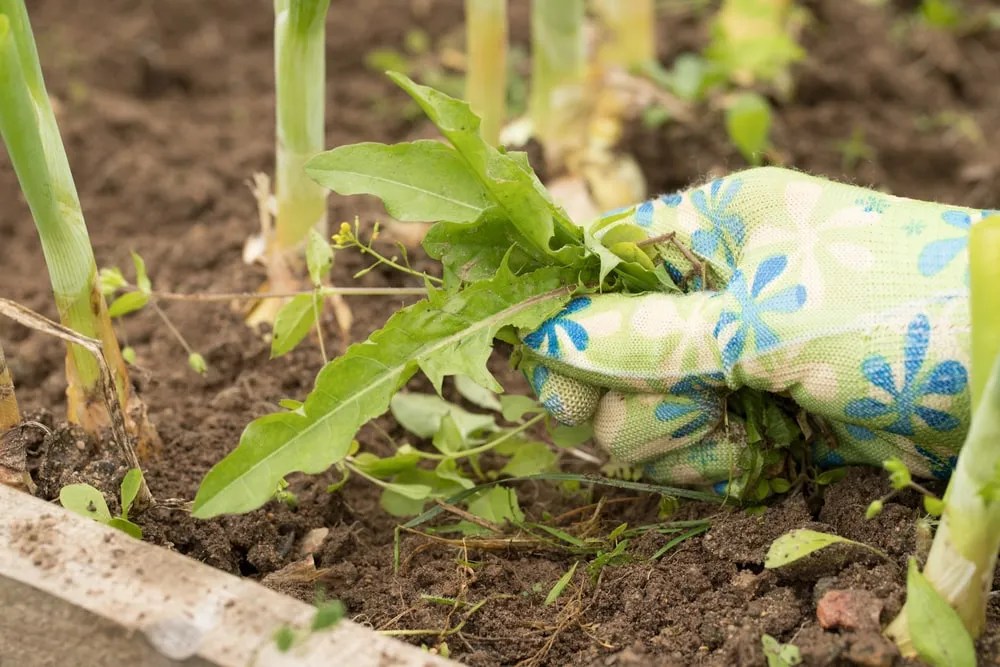


Clover leaves and flowers


